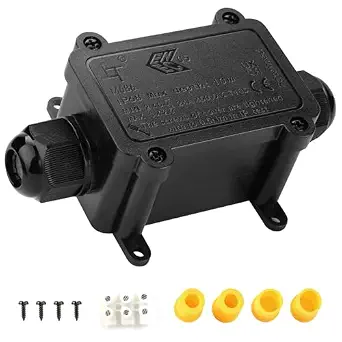
Do Power Factor Corrector Boxes Really Cut Your Electric Bill?
If you’ve been eyeing the New Universal Energy-Saving Box as a way to lower your monthly electricity costs, you’re not alone. These plug-and-play devices claim to correct power factor in home and office circuits, potentially reducing wasted energy. However, not all such products deliver real savings, so it’s crucial to understand what they actually do and how to evaluate their effectiveness before buying.
Key Considerations Before Buying
- Power factor correction is most effective in industrial settings with large inductive loads, like motors or compressors. For typical home use, savings may be modest unless you have older appliances or poor wiring, so set realistic expectations.
- These boxes are designed for continuous operation, so placement matters. Plug them into outlets near your main electrical panel or heavy-use circuits to maximize their impact on overall household power factor.
- Check the device’s rated capacity (usually in kVAR) and match it to your home’s load. A single unit may not suffice for larger homes—using two, as in this 2-pack, can provide broader coverage.
What Our Analysts Recommend
Look for certifications like UL or ETL listing, which indicate safety and performance testing. Also, examine customer reviews for specific, verifiable claims about bill reductions (e.g., percentage drops) rather than vague praise. Verified purchase labels and detailed usage descriptions are strong quality signals.
Outlet Boxes Market Context
Market Overview
The market for residential energy-saving devices, including power factor correctors, has grown as consumers seek ways to combat rising utility costs. Many products market themselves as ‘plug-and-play’ solutions, but actual effectiveness varies widely due to differences in home wiring and appliance types.
Common Issues
A major concern is that some devices are overhyped with exaggerated savings claims or lack independent testing. Additionally, improper installation or mismatch with household electrical systems can render them ineffective, leading to wasted money and frustration.
Quality Indicators
High-quality power factor correctors often include surge protection, clear documentation, and a warranty. Look for products with transparent technical specs (e.g., voltage range, frequency) and positive feedback from users who mention specific meter readings or utility bill comparisons.
Review Authenticity Insights
Grade B Interpretation
With a Review Authenticity Grade of B and an estimated 10% fake review rate, this product’s feedback is mostly trustworthy but warrants caution. The three reviews are detailed and cite concrete savings (e.g., a 15% drop from 300 yuan to 250 yuan), which aligns with genuine user experiences, but the small sample size limits reliability.
Trust Recommendation
Given the high adjusted rating (4.80/5) and low fake percentage, you can be reasonably confident in the positive sentiment. However, because there are only 3 reviews, consider seeking additional feedback from other sources or forums to validate long-term performance.
Tips for Reading Reviews
Focus on reviews that include specific numbers—like before-and-after bills or percentage changes—as these are harder to fabricate. Also, look for mentions of the product’s physical build, ease of installation, and any unexpected effects (e.g., no change in power outages) to gauge authenticity.
Expert Perspective
The New Universal Energy-Saving Box shows promise based on the limited but authentic user feedback, with reported savings of around 15%. As a power factor corrector, it may help homes with inductive loads, but the effect depends heavily on your existing electrical setup. The 2-pack offers flexibility for covering multiple circuits, which is a practical advantage. Still, the small review count means these results aren’t yet statistically robust.
Purchase Considerations
Weigh the potential savings against the upfront cost—if your bills are already low, the payback period may be long. Also, consider your home’s appliance mix; if you have many modern, energy-efficient devices, the benefit might be minimal. For best results, use it alongside other energy-saving habits like LED lighting and smart thermostats.
Comparing Alternatives
Before committing, compare this product with other power factor correctors or whole-home energy monitors that provide real-time data. Different devices may offer better value depending on your specific needs and electrical environment.