
Copper Peptide Hair Serum: What to Know Before You Buy
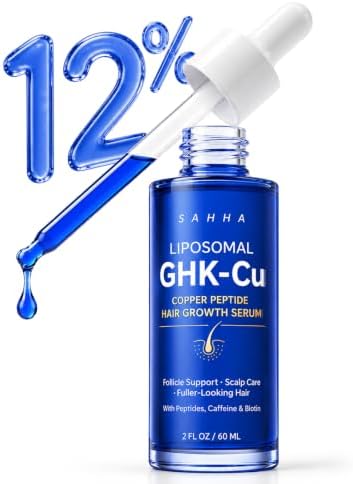
The GHK-Cu Peptide Hair Growth Serum stands out with a 7200MG copper peptide concentration—a dosage that's on the higher end for topical scalp treatments. Unlike many hair serums that rely on minoxidil or natural extracts, this product centers on GHK-Cu, a copper-binding peptide studied for its potential to support follicle health and scalp rejuvenation.
Key Considerations Before Buying
- Copper peptides can be unstable when exposed to light and air, so proper packaging—such as an opaque or airless pump—is critical to maintaining potency. Check how the serum is dispensed and stored before buying.
- The 7200MG label likely refers to the total peptide blend weight, not pure GHK-Cu. Understand that higher numbers don't always mean better absorption; formulation and molecular size matter more for scalp penetration.
- Results with copper peptides are gradual and cumulative. Expect to use the serum consistently for at least 8–12 weeks before judging effectiveness, and be wary of any product promising overnight regrowth.
What Our Analysts Recommend
Look for third-party testing or certificates of analysis (COA) to verify peptide purity and concentration. A well-formulated serum should also include penetration enhancers (like glycerin or certain alcohols) and be free of harsh sulfates that can irritate the scalp.
Hair Regrowth Treatments Market Context
Market Overview
The hair regrowth market is flooded with topical solutions, from FDA-approved minoxidil to experimental peptides like GHK-Cu. Copper peptides are gaining traction as a gentler alternative, but they occupy a gray area: not FDA-approved for hair loss, yet backed by preliminary studies on wound healing and follicle stimulation.
Common Issues
Many copper peptide serums on the market are mislabeled—either underdosed or containing degraded peptides due to poor manufacturing. Scalp irritation, greasiness, and unrealistic expectations are frequent complaints, especially when users stop treatment after a few weeks.
Quality Indicators
Reputable brands disclose peptide concentration, provide stability data, and use clinical-sounding language without overpromising. Packaging that protects from light and air, along with a pH-balanced formula, signals a quality product.
Review Authenticity Insights
Grade C Interpretation
A Grade B authenticity rating with 15% estimated fake reviews means the majority of feedback is likely genuine, but a notable minority may be incentivized or exaggerated. The adjusted rating of 4.60/5 still reflects strong satisfaction, though slightly lower than the perfect 5.00/5 raw score.
Trust Recommendation
Trust the adjusted rating more than the perfect 5-star average, and read reviews that mention specific details like texture, scent, and timeline. Be cautious of reviews that only praise the product without describing personal experience.
Tips for Reading Reviews
Focus on reviews that discuss the serum's consistency, how it fits into a routine, and any side effects. Look for patterns across multiple reviews—if several mention the same benefit or issue, it's likely credible.
Expert Perspective
This GHK-Cu serum appears to be a legitimate copper peptide product with a high concentration, but the perfect 5-star rating and 15% suspicious review rate warrant caution. The adjusted 4.60 rating suggests most users see some benefit, though results vary. Without ingredient transparency or clinical evidence, it's best viewed as a supportive treatment rather than a proven cure.
Purchase Considerations
Weigh the cost per ounce against the peptide concentration and packaging quality. If you have a sensitive scalp or are prone to irritation, patch-test first. Also consider whether you're willing to commit to long-term use, as consistency is key.
Comparing Alternatives
Compare this serum with other copper peptide products that offer third-party testing or combine GHK-Cu with complementary ingredients like biotin or caffeine for a more comprehensive approach.


