What to Know Before Buying a High-Powered Grain Mill
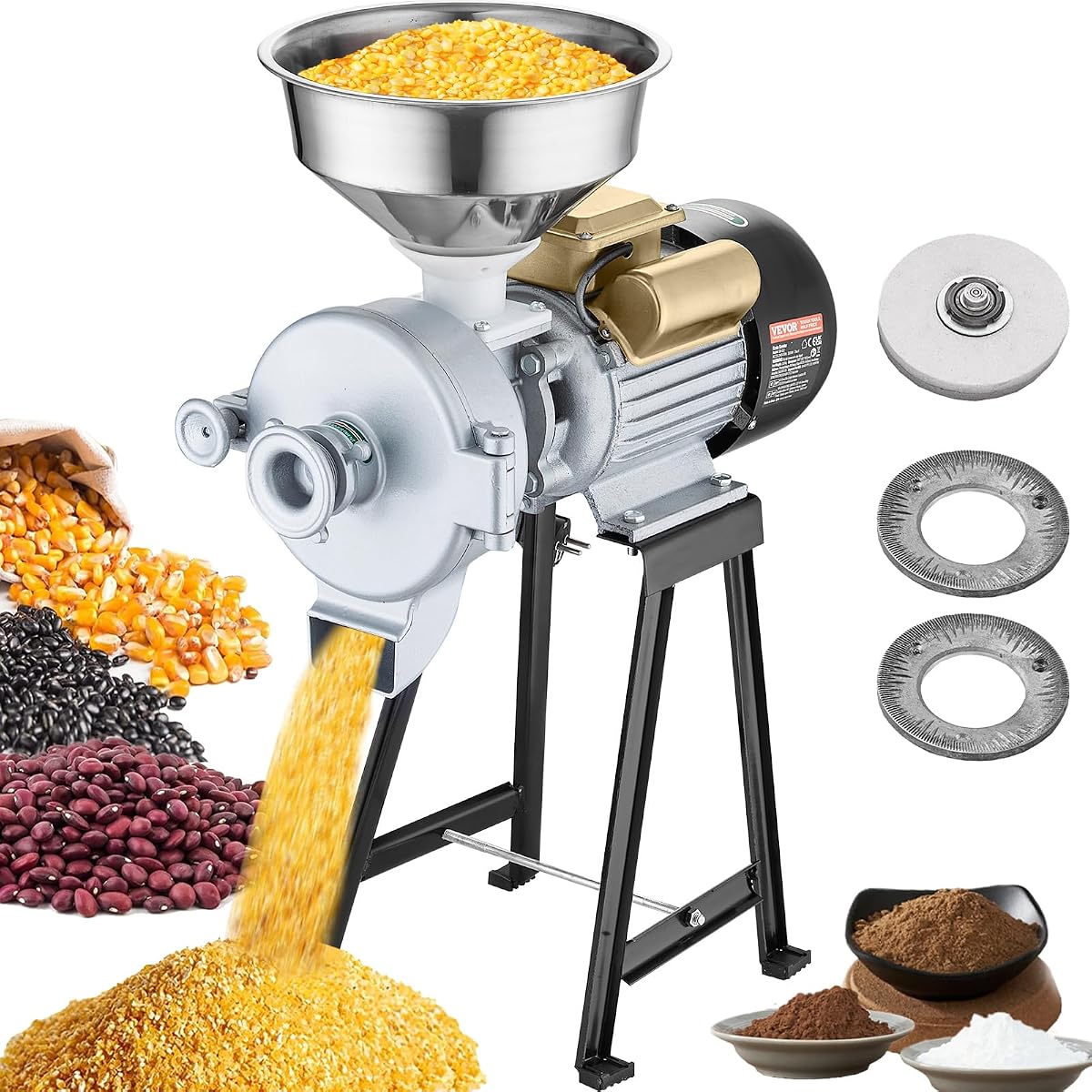
The VEVOR Electric Grain Mill Grinder stands out with its 3000W motor and ability to handle dry and wet ingredients, from wheat berries to soaked soybeans. But before you invest, understand how its commercial-grade design and adjustable thickness settings fit your specific grinding needs.
Key Considerations Before Buying
- Motor power and continuous use: A 3000W motor like this one can grind several pounds of grain per minute, but it may require cool-down periods during extended sessions to prevent overheating. Consider your batch size—if you regularly grind more than 10 pounds at a time, you may need a mill with a stronger duty cycle.
- Adjustable thickness and texture: The VEVOR's thickness adjustment lets you go from fine flour to coarse cracked grains, which is ideal for baking or feed. However, very fine settings may take longer and produce more heat, potentially affecting nutrient retention in delicate grains.
- Wet and dry versatility: Unlike many grain mills that only handle dry ingredients, this model supports wet grinding for items like soaked rice or lentils. That said, wet grinding requires thorough cleaning to avoid mold and clogging, so factor in maintenance time.
What Our Analysts Recommend
When evaluating grain mills, prioritize burr material (stainless steel or ceramic) for durability and consistent grind size. Check for overload protection and easy disassembly for cleaning—critical for wet ingredients. Also, confirm the hopper capacity and funnel design to match your typical batch size.
Grain Mills Market Context
Market Overview
The home grain mill market has grown as more consumers bake with fresh flour and prepare homemade animal feed. High-wattage electric mills like the VEVOR are bridging the gap between small kitchen appliances and commercial equipment, offering faster grinding at lower prices than traditional stone mills.
Common Issues
Many budget grain mills overheat or burn out when grinding hard grains like corn or wheat continuously. Others produce inconsistent grind sizes or are difficult to clean, especially after wet use. Noise and vibration are also frequent complaints, particularly with high-speed impact mills.
Quality Indicators
A quality grain mill features a robust motor with thermal protection, durable grinding burrs (not blades), and a secure lid or funnel to contain dust. Look for adjustable settings that hold their position and a design that allows easy access to the grinding chamber for maintenance.
Review Authenticity Insights
Grade A Interpretation
An A authenticity grade with only 8% estimated fake reviews indicates that the 4.67-star rating is highly trustworthy. The adjusted rating of 4.50/5 still reflects strong satisfaction, suggesting that most positive reviews come from genuine users who have tested the mill in real-world conditions.
Trust Recommendation
You can rely on the overall rating, but dig into reviews that mention specific tasks like grinding corn for feed or making rice flour. These detailed accounts are more reliable than vague praise. Pay attention to any recurring issues, such as motor overheating or cleaning difficulties, as they may affect your use case.
Tips for Reading Reviews
Focus on reviews with photos or videos showing the mill in action and the resulting grind consistency. Look for mentions of long-term durability and customer service experiences, as these reveal how the product holds up over time. Filter by star rating to see both praises and critiques.
Expert Perspective
The VEVOR Electric Grain Mill Grinder offers impressive power and versatility for its price point, making it suitable for serious home bakers and small-scale homesteaders. Its 3000W motor and wet/dry capability set it apart from many consumer-grade mills, but the high speed may generate heat that could affect delicate grains. The strong review authenticity suggests that most users find it reliable for tasks like grinding wheat, corn, and feed. However, it may not match the finesse of stone burr mills for ultra-fine pastry flour.
Purchase Considerations
Weigh the mill's capacity against your typical batch size—if you grind small amounts occasionally, a lower-wattage mill might suffice. Consider noise levels and counter space, as this is a heavy-duty appliance. Also, check the warranty and availability of replacement parts, as motor failure is a common long-term risk.
Comparing Alternatives
Before buying, compare with similar high-wattage mills from brands like NutriMill or WonderMill, which may offer different burr materials or quieter operation. Read side-by-side reviews to see which aligns best with your grinding habits.