
How to Choose a Walking Pad Treadmill With Incline
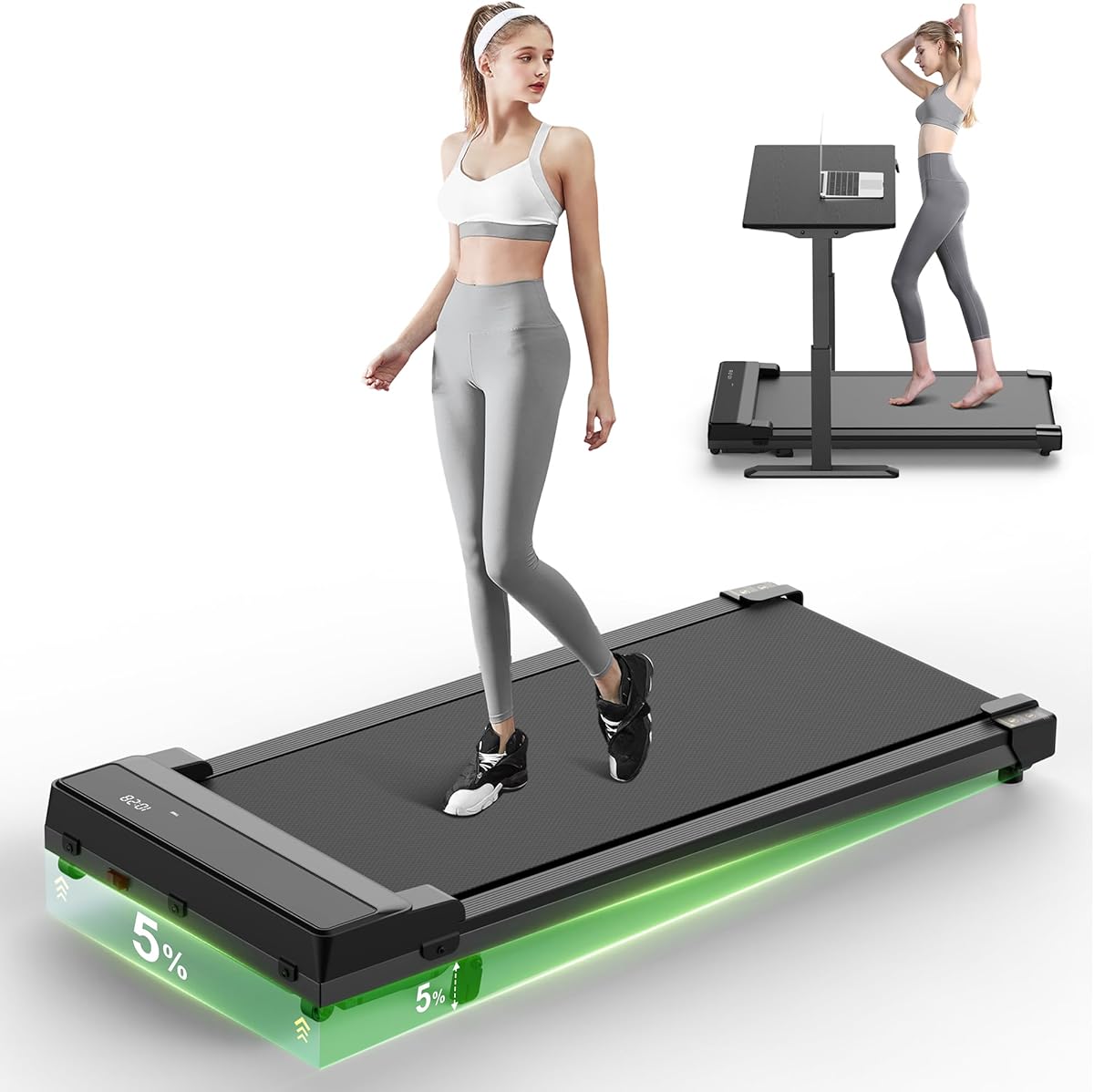
A walking pad treadmill with a 5% incline like this 4MPH model is designed for under-desk use, letting you walk or lightly jog while working. Unlike full-size treadmills, these compact units prioritize portability, quiet operation, and a low profile—so you can slide them under a standing desk or store them vertically.
Key Considerations Before Buying
- Incline range: A 5% incline adds intensity for glutes and calves, but check if it's manually adjustable or motorized. Manual incline is common on walking pads and requires you to stop and change it.
- Speed and motor: This unit tops out at 4MPH, which is fine for walking and light jogging but not running. Look for a motor rated for continuous use (not peak) to avoid overheating during longer sessions.
- Deck size and weight capacity: Walking pads typically have shorter, narrower decks than treadmills. Ensure the belt length (usually 40–50 inches) accommodates your stride, and check the weight limit—most support 220–300 lbs.
What Our Analysts Recommend
Prioritize a sturdy frame (often steel) and a belt with multiple layers for durability. Quiet operation is key for home offices; look for brushless motors and shock-absorbing decks. Also, confirm the remote control works reliably and that the unit has safety features like an auto-stop if you step off.
Treadmills Market Context
Market Overview
Walking pads have surged in popularity as remote work became common, with many brands offering similar features. The market is flooded with low-cost imports, so quality varies widely. Incline models are a newer niche, adding intensity without requiring a full treadmill.
Common Issues
Frequent complaints include motors burning out after a few months, belts slipping or misaligning, and noise levels that disrupt calls. Many cheap pads lack proper lubrication or have thin decks that feel unstable at higher speeds. Incline mechanisms can also be flimsy or difficult to adjust.
Quality Indicators
A reputable brand with a warranty of at least one year is a good sign. Look for detailed specs: motor power in horsepower (HP), belt thickness, and whether the incline is motorized. Reviews that mention long-term durability (6+ months) are more telling than initial impressions.
Review Authenticity Insights
Grade B Interpretation
The B grade means most reviews are likely genuine, but about 15% show signs of possible fakery—often overly enthusiastic, vague, or posted in bursts. The adjusted rating of 4.6/5 is still strong, suggesting that even after removing suspicious reviews, most buyers are satisfied.
Trust Recommendation
Trust the adjusted rating more than the perfect 5.0. Focus on reviews that mention specific details like setup, noise, or incline use. Be cautious of reviews that only say 'great product' or were posted on the same day as many others.
Tips for Reading Reviews
Look for reviewers who mention their height, weight, and how they use the pad (e.g., under a standing desk). Pay attention to complaints about motor noise or belt issues—these are common pain points. Also, check if reviewers have a history of reviewing similar fitness products.
Expert Perspective
This walking pad with a 5% incline offers a practical way to add low-impact movement to your workday. The 4MPH speed and incline make it versatile for walking or light jogging, and the compact design suits small spaces. However, the 15% fake review estimate means you should weigh the adjusted 4.6 rating carefully—still excellent, but not flawless.
Purchase Considerations
Consider your primary use: if you need a quiet pad for walking during calls, this could work well. But if you plan to run, look for a higher speed and a longer deck. Also, check the return policy and warranty, as walking pads can develop issues with the motor or belt over time.
Comparing Alternatives
Before buying, compare with similar walking pads from brands like WalkingPad, Sperax, or Goplus. Look for differences in motor power, incline adjustability, and customer service reputation.


