Choosing an Infrared Thermometer: Emissivity, Distance, and Accuracy
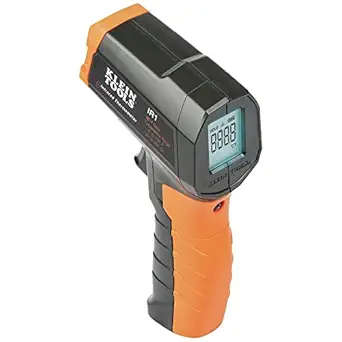
Infrared thermometers like this laser temperature gun with adjustable emissivity let you measure surface temperatures without contact, but accuracy depends on matching emissivity to your material. This guide covers what actually matters so you can separate a dependable instrument from a frustrating toy.
Key Considerations Before Buying
- Adjustable emissivity is the feature that separates serious IR thermometers from fixed-emissivity budget models. If you measure shiny metals, you'll need to dial emissivity down to around 0.1–0.3, while most non-reflective surfaces sit near 0.95.
- Check the distance-to-spot ratio before buying. A 12:1 ratio means at 12 inches the measurement spot is about 1 inch wide; lower ratios (6:1 or 8:1) produce wider, less precise readings at distance, which matters for HVAC vents or electrical panels.
- Confirm the temperature range and response time fit your tasks. Household and automotive uses typically need -58°F to 1,000°F, and response times under 500ms keep readings practical when scanning multiple targets.
What Our Analysts Recommend
Prioritize units with clearly labeled emissivity adjustment, a laser for aiming (not measurement), and a backlit display for dim work areas. Build quality shows in consistent readings across repeated measurements and a housing that survives drops and workshop grime.
Infrared Thermometers Market Context
Market Overview
The infrared thermometer market has exploded with low-cost imports, ranging from $15 toys to $200 professional instruments. Most consumer-grade units now include laser pointers and basic emissivity settings, but calibration and sensor quality vary dramatically between brands.
Common Issues
The most frequent complaint is inaccurate readings on reflective or shiny surfaces because users don't adjust emissivity. Other issues include slow response times, laser alignment that doesn't match the actual measurement spot, and units that drift out of calibration after a few months.
Quality Indicators
Look for a stated accuracy specification (typically ±2% or ±2°C), a documented distance-to-spot ratio, and an emissivity range that goes below 0.5. Brands that publish calibration details and offer a warranty signal more reliable construction than generic listings.
Review Authenticity Insights
Grade B Interpretation
A Grade B authenticity rating with an estimated 15% fake reviews means most feedback is trustworthy, but roughly one in seven reviews may be low-effort or promotional. The adjusted rating of 4.30/5 (down from 4.67) suggests genuine buyers are still largely satisfied, just slightly less enthusiastic than the raw score implies.
Trust Recommendation
Focus on reviews that mention specific applications like checking car engine temperatures, HVAC vents, or cooking surfaces, since these are harder to fake. Treat short, generic five-star reviews with skepticism and weigh the adjusted 4.30 rating as a more realistic expectation.
Tips for Reading Reviews
Look for reviewers who describe how they set emissivity or tested the unit against a known reference, as these details indicate real use. Also check whether complaints cluster around a single issue like laser alignment or battery life, which can reveal a consistent design flaw.
Expert Perspective
This infrared thermometer with adjustable emissivity sits in the practical middle ground for home and light professional use. The 4.30 adjusted rating from 88 reviews indicates solid but not flawless performance, and the emissivity control gives it an edge over fixed-setting competitors at similar prices. For tasks like checking brake rotor temperatures or finding air leaks, it should serve well if you learn to match emissivity to your target material.
Purchase Considerations
Weigh whether you need true adjustable emissivity or just occasional surface checks, since simpler units cost less. Also consider the distance-to-spot ratio against your typical measurement distance, and whether the included battery and carrying case add value for your use case.
Comparing Alternatives
Compare this model against similarly priced IR thermometers from established test-equipment brands, paying attention to accuracy specs and warranty terms before deciding.