Buying a 365nm UV Flashlight: What Actually Matters
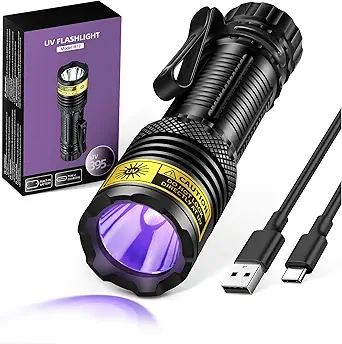
A 365nm UV flashlight like the Sofirn model is a specialized tool, not a generic light. Unlike cheap 'UV' lights that emit visible purple light, a true 365nm wavelength reveals hidden stains, cures adhesives, and authenticates documents with minimal visible glow.
Key Considerations Before Buying
- Wavelength purity: Many budget UV lights emit 395nm or a broad spectrum that includes visible light. For tasks like detecting pet stains or curing resin, you need a dedicated 365nm emitter with a visible-light filter to avoid false readings.
- Power source and runtime: This Sofirn uses a Type-C rechargeable battery, which is convenient but means you must manage charge cycles. Check if the light has a low-voltage cutoff to protect the battery and whether it can run on standard cells as a backup.
- Build quality and safety: UV light can damage eyes and skin, so look for a flashlight with a proper reflector, heat management, and ideally a filter to block stray visible light. A durable, water-resistant body is also important for outdoor or workshop use.
What Our Analysts Recommend
When evaluating a 365nm UV flashlight, prioritize models with a dedicated UV LED (not a converted white light), a visible-light filter, and a robust driver circuit that maintains constant output. Check for user reports on actual wavelength accuracy and whether the light includes safety features like reverse polarity protection.
Handheld Flashlights Market Context
Market Overview
The handheld UV flashlight market has grown with demand from pet owners, HVAC technicians, and hobbyists. However, many products exaggerate their UV output, and true 365nm models remain a niche segment with fewer options than standard white-light flashlights.
Common Issues
A frequent complaint is that cheaper UV lights emit a strong purple glow, which defeats the purpose of fluorescence detection. Another issue is poor heat dissipation, leading to shortened LED lifespan or output drop during extended use.
Quality Indicators
High-quality UV flashlights typically specify the exact wavelength (e.g., 365nm ±5nm), include a visible-light filter, and use efficient drivers. Brands that provide detailed technical specs and stand behind their products with warranties are more reliable.
Review Authenticity Insights
Grade B Interpretation
A Grade B authenticity rating with an estimated 15% fake reviews means that while most reviews are genuine, you should still approach the overall rating with some caution. The adjusted rating of 4.20/5, down from 4.50, suggests that the product is well-received but not without flaws.
Trust Recommendation
Focus on reviews that mention specific use cases, such as detecting pet urine or curing UV resin, and look for detailed pros and cons. The presence of a 2-star review indicates that some users had significant issues, so read those carefully to see if they align with your needs.
Tips for Reading Reviews
For UV flashlights, pay attention to comments about wavelength accuracy and visible light leakage. Reviews that include photos of fluorescence effects or comparisons with other UV lights are particularly trustworthy.
Expert Perspective
The Sofirn 365nm UV flashlight appears to be a solid mid-range option, with a 4.20 adjusted rating indicating general satisfaction. Its Type-C rechargeability is a modern convenience, but the 15% fake review estimate means you should verify claims about its UV purity and build quality through independent sources.
Purchase Considerations
Consider whether you need a true 365nm wavelength or if a 395nm light would suffice for your tasks, as the latter is often cheaper. Also, evaluate the total cost of ownership, including battery replacement and potential need for a separate UV filter.
Comparing Alternatives
Before buying, compare this Sofirn model with other 365nm flashlights from brands like Convoy or Nitecore, which may offer better wavelength accuracy or durability for similar prices.