
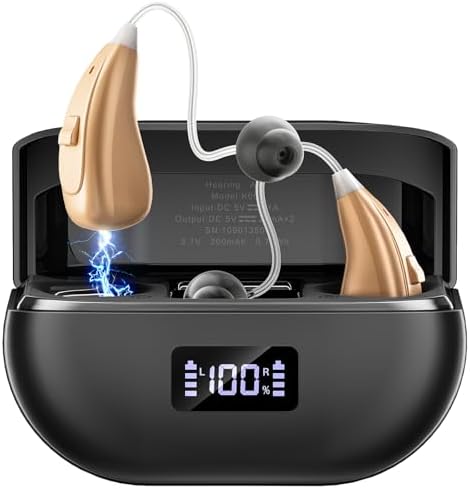
OTC Hearing Aids for Seniors: What to Know Before You Buy
Over-the-counter hearing aids like this model, marketed for seniors with noise cancelling and a 100-hour battery life, offer a convenient alternative to prescription devices. But with prices ranging from $200 to $1,000 and no professional fitting required, it's essential to understand how features like noise cancellation and battery life impact real-world use.
Key Considerations Before Buying
- Noise cancelling technology varies widely in OTC hearing aids; look for devices with adjustable modes and directional microphones to help isolate speech in noisy environments like restaurants or family gatherings.
- Battery life claims of 100 hours often refer to low-volume use; if you stream audio or use noise cancelling frequently, expect significantly less. Rechargeable models may be more cost-effective long-term than disposable batteries.
- Fit and comfort are critical—OTC aids come with various dome sizes, but improper fit can cause feedback or discomfort. Some models offer virtual fitting tools or app-based adjustments to personalize sound.
What Our Analysts Recommend
Prioritize models with clear return policies and trial periods, as satisfaction varies. Check for user-friendly controls (e.g., volume dials, smartphone apps) and compatibility with your phone or TV. Look for reviews that mention specific scenarios like driving or hiking to gauge real-world performance.
Hearing Aids Market Context
Market Overview
The OTC hearing aid market has expanded rapidly since the FDA's 2022 ruling, with numerous brands offering direct-to-consumer devices. This surge provides more affordable options but also a flood of products with varying quality. Seniors are a key demographic, driving demand for features like simplicity, long battery life, and effective noise cancellation.
Common Issues
Many OTC hearing aids struggle with background noise, causing frustration in social settings. Battery life often falls short of claims, and some users find controls too small or complicated. Additionally, without professional fitting, improper use can lead to discomfort or inadequate amplification.
Quality Indicators
Quality OTC hearing aids typically offer customizable sound profiles, multiple listening programs, and robust customer support. Brands with transparent specifications, easy returns, and positive reviews from verified purchasers are more reliable. Look for devices that meet FDA standards and have clear labeling of features like maximum amplification and noise reduction levels.
Review Authenticity Insights
Grade B Interpretation
A Grade B authenticity rating with an estimated 15% fake reviews indicates that while most reviews are genuine, a notable minority may be incentivized or fabricated. This means the adjusted rating of 4.30/5 is likely closer to the true customer satisfaction than the displayed 4.67/5.
Trust Recommendation
Trust the adjusted rating of 4.30 as a more accurate reflection of product performance. When reading reviews, prioritize those with detailed personal stories and specific use cases over brief, generic praise. Be cautious of reviews that sound overly promotional or lack specifics.
Tips for Reading Reviews
Focus on reviews that mention particular situations like hiking, driving, or dining out—these are harder to fake and provide valuable insights. Look for patterns in complaints (e.g., battery life, fit) and note if multiple reviewers mention the same issue. Also, check the dates: a spike in recent reviews could indicate a change in quality or a review campaign.
Expert Perspective
This OTC hearing aid offers a promising combination of noise cancelling and extended battery life, appealing to active seniors. With a solid adjusted rating of 4.30 from over 1,400 reviews, it likely performs well for many users, but the 15% fake review estimate suggests some caution. Real-world performance may vary, especially in challenging listening environments.
Purchase Considerations
Weigh the convenience of OTC purchase against the potential need for professional fitting. Consider your lifestyle: if you frequently attend noisy gatherings, prioritize noise cancellation effectiveness. Also, factor in the total cost of ownership, including batteries or charging accessories, and ensure the return policy allows ample trial time.
Comparing Alternatives
Compare this model with other OTC hearing aids in the $300-$600 range, such as those from Eargo, Lexie, or Jabra Enhance, to find the best fit for your hearing needs and budget.


