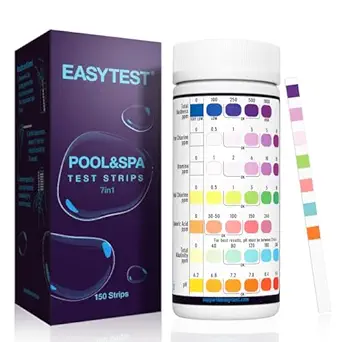
Master Your Saltwater Pool Chemistry with a 5-in-1 Digital Tester
When you own a saltwater pool, hot tub, or spa, maintaining the right chemical balance is crucial for clear water and equipment longevity. This 5-in-1 digital tester simplifies the process by measuring salinity, pH, temperature, EC, and TDS in one handheld device, replacing the guesswork of test strips.
Key Considerations Before Buying
- Check the salinity range: Ensure the tester's salinity range (typically 0-9990 ppm or higher) covers your pool's target level (usually 2700-3400 ppm for saltwater pools). A tester that maxes out too low won't be useful.
- Calibration needs: Digital testers often require periodic calibration with standard solutions to maintain accuracy. Look for models with easy calibration instructions and consider the long-term cost of calibration supplies.
- Probe maintenance: The sensor probe is the heart of the device. Keep it clean and store it properly (often with a storage solution) to extend its life and ensure consistent readings.
What Our Analysts Recommend
High-quality testers typically offer a clear LCD display, automatic temperature compensation (ATC) for accurate pH readings, and a replaceable probe. Look for IPX7 waterproofing or better, and a robust build that can handle outdoor poolside conditions. User-friendly features like auto-off and low-battery indicators add convenience.
Test Strips Market Context
Market Overview
The market for water testing products has shifted from traditional test strips and liquid kits toward digital meters that offer instant, precise readings. These devices appeal to pool and spa owners who want to reduce chemical waste and save time, while also catering to hydroponics and aquarium enthusiasts who need multi-parameter monitoring.
Common Issues
Common issues with digital testers include probe contamination leading to inaccurate readings, battery drain if left on, and the need for frequent calibration. Some cheaper models may have limited ranges or lack ATC, causing pH readings to drift with temperature changes. Users also report confusion with EC vs. TDS measurements if the device isn't clearly labeled.
Quality Indicators
Quality indicators include a reputable brand with good customer support, a replaceable probe (not a sealed unit), and positive reviews that mention long-term reliability. Also check for certifications like CE or RoHS, and whether the device comes with a carrying case and calibration solution to get started.
Review Authenticity Insights
Grade B Interpretation
The Grade B authenticity rating, with an estimated 10% fake reviews, suggests that while most reviews are genuine, a small fraction may be incentivized or fabricated. This is fairly typical for popular items on Amazon, and the adjusted rating of 4.80 out of 5 still indicates high user satisfaction.
Trust Recommendation
Given the high verified purchase rate and detailed personal experiences in reviews, you can trust the overall positive consensus. However, be cautious of overly enthusiastic reviews with little specific detail—those are more likely to be fake. Focus on reviews that mention specific test results or comparisons with other methods.
Tips for Reading Reviews
When reading reviews, look for users who describe their specific water type (e.g., saltwater pool vs. freshwater aquarium) and whether the tester met their expectations in that context. Also, pay attention to any mention of calibration ease or drift over time, as these are common pain points. Ignore one-off negative reviews if they lack specifics, as they may be from user error.
Expert Perspective
This 5-in-1 tester appears to be a reliable, multi-functional tool for anyone managing saltwater pools or spas. The high genuine review score, combined with its comprehensive parameter coverage, positions it as a strong contender in the digital water tester market. The 10% fake rate is manageable, and the adjusted rating confirms real-world performance.
Purchase Considerations
Weigh the convenience of having all five measurements in one device against the need for regular calibration and probe care. If you're a pool owner who values quick, accurate checks, this tester could save you money on test strips and chemicals in the long run. But if you only need basic pH and chlorine, a simpler tester might suffice.
Comparing Alternatives
Shoppers should compare this with dedicated saltwater testers that also measure free chlorine, as this model does not. For hydroponics users, ensure the EC range matches your nutrient solution needs. Always check for warranty and after-sales support.