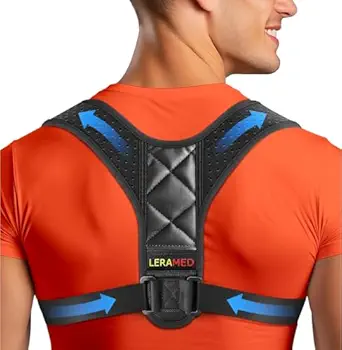
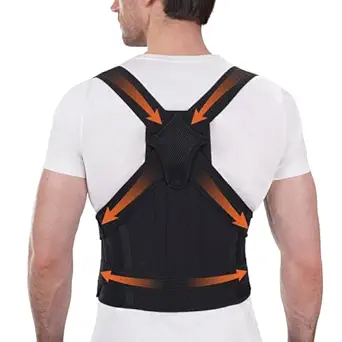
Choosing a Shoulder Brace for Rotator Cuff Tears and Immobilization
If you're dealing with a torn rotator cuff or post-surgery recovery, a shoulder brace can provide crucial support and pain relief. This black shoulder brace for men and women combines an arm sling, compression sleeve, and immobilizer, but understanding its features and limitations is key to making an informed choice.
Key Considerations Before Buying
- Immobilization level: Determine whether you need full immobilization (like after surgery) or just compression and support. This brace offers both, but check if the sling is detachable and adjustable for varying needs.
- Fit and adjustability: The brace must fit snugly without restricting circulation. Look for adjustable straps and sizing that accommodates different body types, as a poor fit can worsen pain or cause skin irritation.
- Breathability and comfort: Since you may wear it for hours, materials should be breathable to prevent sweating and odor. This product's design should balance compression with airflow, especially for extended use.
What Our Analysts Recommend
Prioritize braces with durable stitching, medical-grade hook-and-loop fasteners, and soft interior lining to prevent chafing. Check if the sling supports the arm at the correct angle (typically 15-30 degrees) to reduce shoulder strain. Also, verify that the compression sleeve doesn't roll down or bunch up during movement.
Back Braces Market Context
Market Overview
The shoulder brace market is growing as more people seek non-invasive solutions for rotator cuff injuries and post-operative care. With an aging population and increased sports participation, demand for versatile braces that offer both immobilization and compression is rising. However, quality varies widely, and many products overpromise relief without proper support.
Common Issues
Common complaints include straps that loosen over time, inadequate padding causing pressure points, and sizing that runs too small or large. Some braces also lack proper breathability, leading to discomfort during extended wear. Additionally, many products claim to fit all but fail to accommodate broader shoulders or larger arms.
Quality Indicators
High-quality shoulder braces use reinforced stitching at stress points, adjustable straps with secure buckles, and moisture-wicking fabrics. Look for braces that specify arm angle support and have clear sizing charts. Certifications like FDA registration or CE marking can also indicate compliance with safety standards.
Review Authenticity Insights
Grade B Interpretation
This product has a Grade B authenticity rating, meaning about 15% of reviews are estimated to be fake. While the adjusted rating of 4.60/5 is still strong, it's slightly lower than the perfect 5.00/5 shown, suggesting some reviews may be overly positive. This is relatively common for health products, where genuine users often share success stories but also where sellers may solicit reviews.
Trust Recommendation
Trust the adjusted rating of 4.60/5 as a more reliable indicator of satisfaction. Focus on reviews from verified purchasers that describe specific medical conditions and recovery timelines, as these are less likely to be fabricated. Be cautious of reviews that are overly generic or posted in bulk.
Tips for Reading Reviews
When reading reviews, look for details about fit, comfort during daily activities, and durability after weeks of use. Pay attention to negative reviews that mention sizing issues or lack of support, as these often highlight common problems. Compare experiences across multiple reviewers to gauge consistency.
Expert Perspective
Based on the analysis, this shoulder brace appears to be a solid option for mild to moderate rotator cuff injuries and post-surgery immobilization, with a high adjusted rating from mostly genuine reviewers. However, the 15% fake review percentage suggests some caution is warranted. The product's versatility as both a sling and compression sleeve adds value, but its effectiveness depends on proper fit and adherence to recovery protocols.
Purchase Considerations
Before buying, consider your specific injury and whether you need full immobilization or just support. Check the sizing chart carefully and read reviews from users with similar body types. Also, consult with a healthcare professional to ensure the brace aligns with your treatment plan.
Comparing Alternatives
While this brace has positive feedback, compare it with other shoulder braces that offer customizable immobilization angles or additional features like ice pack pockets. Reading expert reviews and comparing specifications can help you find the best fit for your needs.