
Wireless CarPlay Adapters: What to Know Before You Buy
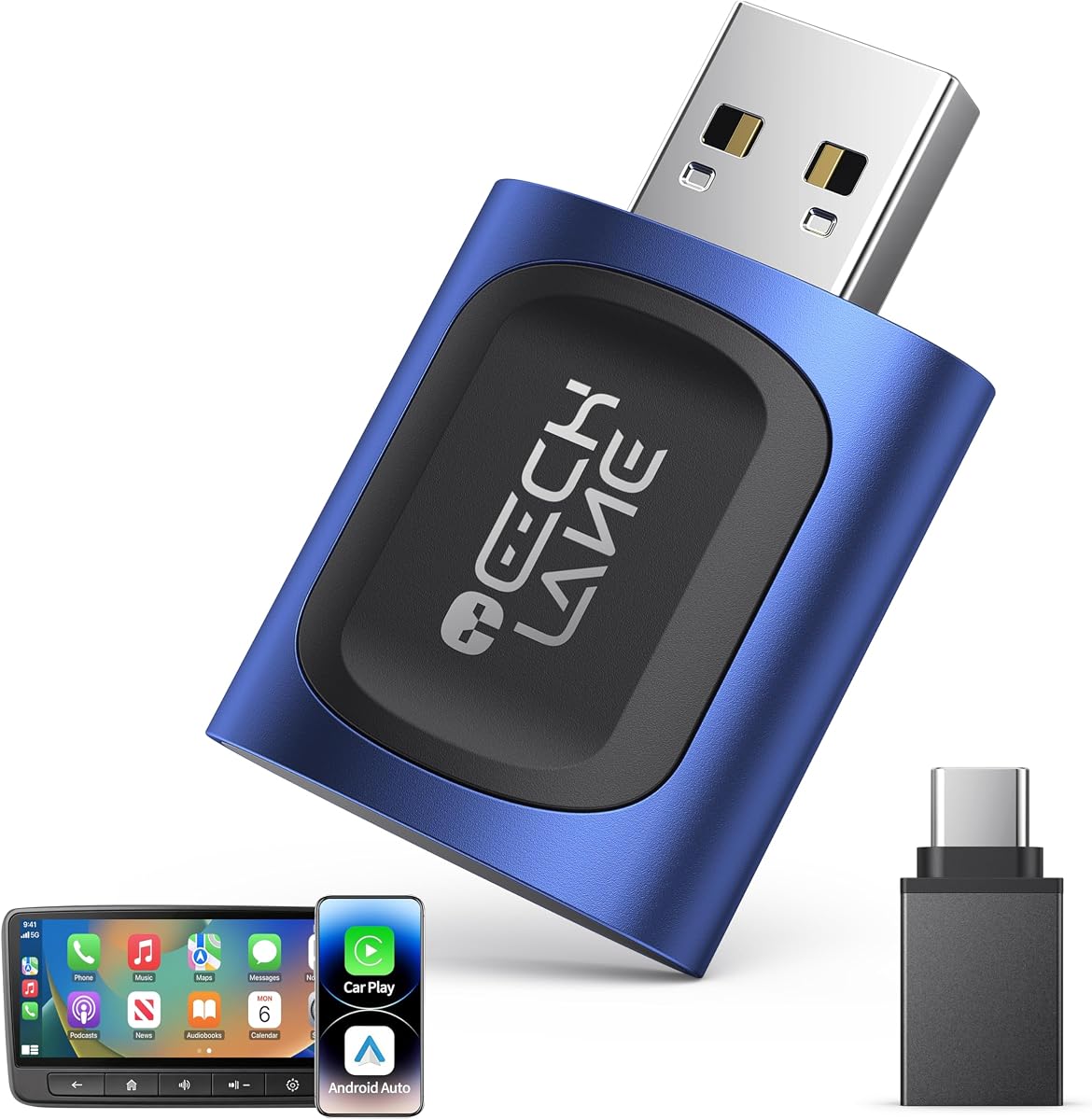
A 2-in-1 wireless adapter like this one promises to liberate your iPhone or Android phone from the charging cable, but the experience hinges on firmware stability and your car's USB port. This 2026 model advertises 5G WiFi and Bluetooth 5.4 for fast auto-connect, so understanding the technology is key.
Key Considerations Before Buying
- Compatibility is not universal: your car must have a factory-wired CarPlay or Android Auto USB port, and the adapter must support your phone's OS version. Check the listing for specific vehicle and phone compatibility lists before ordering.
- Connection speed and stability depend on both the adapter's WiFi chip and your car's head unit. Look for reviews that mention consistent auto-connect after the initial pairing, not just first-time setup.
- The USB-C/A plug design affects fit; some cars have recessed ports where a bulky adapter may block adjacent ports or be hard to remove. Measure your port space or look for a low-profile design.
What Our Analysts Recommend
Prioritize adapters with recent firmware updates and a clear update process, as early models often suffered from lag and dropouts. A physical reset button and status LED can help troubleshoot without unplugging. Also check the warranty length—quality brands offer at least 12 months.
Auxiliary Input Adapters Market Context
Market Overview
The wireless CarPlay/Android Auto adapter market has exploded as drivers seek to ditch cables, but it's crowded with white-label devices that vary wildly in quality. Many are based on the same few chipsets, so firmware and support make the difference.
Common Issues
Frequent complaints include connection drops, audio lag, and incompatibility after phone OS updates. Some adapters also run hot or fail to reconnect automatically after the car restarts, requiring manual intervention.
Quality Indicators
A reputable adapter will have a dedicated support website with firmware downloads, a clear user manual, and responsive customer service. Brands that only sell via Amazon and lack an online presence are riskier. Look for detailed reviews that mention long-term reliability, not just initial impressions.
Review Authenticity Insights
Grade C Interpretation
The authenticity grade of C with an estimated 35% fake reviews means a significant portion of the 4.38-star rating may be inflated. The adjusted rating of 3.60 suggests more mixed real-world experiences, so you should weigh the risk of receiving a unit that doesn't perform as advertised.
Trust Recommendation
Focus on reviews that are detailed, mention specific car models, and include both pros and cons. Avoid making a decision based solely on the star average; instead, read the most recent reviews to gauge current firmware performance and seller responsiveness.
Tips for Reading Reviews
Look for reviews with photos or videos showing the adapter in use, and check if the reviewer has a history of other electronics reviews. Be skeptical of reviews that use identical phrasing or only praise without specifics, as these are common signs of incentivized feedback.
Expert Perspective
This 2026 upgraded adapter offers the convenience of wireless CarPlay and Android Auto in a single device, with modern specs like 5G WiFi and BT 5.4. However, the adjusted rating and high fake review percentage indicate that real-world performance may be inconsistent. While many users report fast auto-connect, others likely face compatibility or stability issues. It's a promising option if you're willing to troubleshoot and can return it if it doesn't work with your car.
Purchase Considerations
Before buying, verify your car's USB port provides enough power and data, and check if your phone model is known to work with this chipset. Consider the return policy and warranty, as you may need to swap units if you get a faulty one. If you prioritize reliability, you might prefer a more established brand with a proven track record.
Comparing Alternatives
Compare this adapter with other 2-in-1 models from brands like Ottocast or Carlinkit, which have larger user communities and more frequent firmware updates. Reading cross-category comparisons can help you avoid common pitfalls.


