
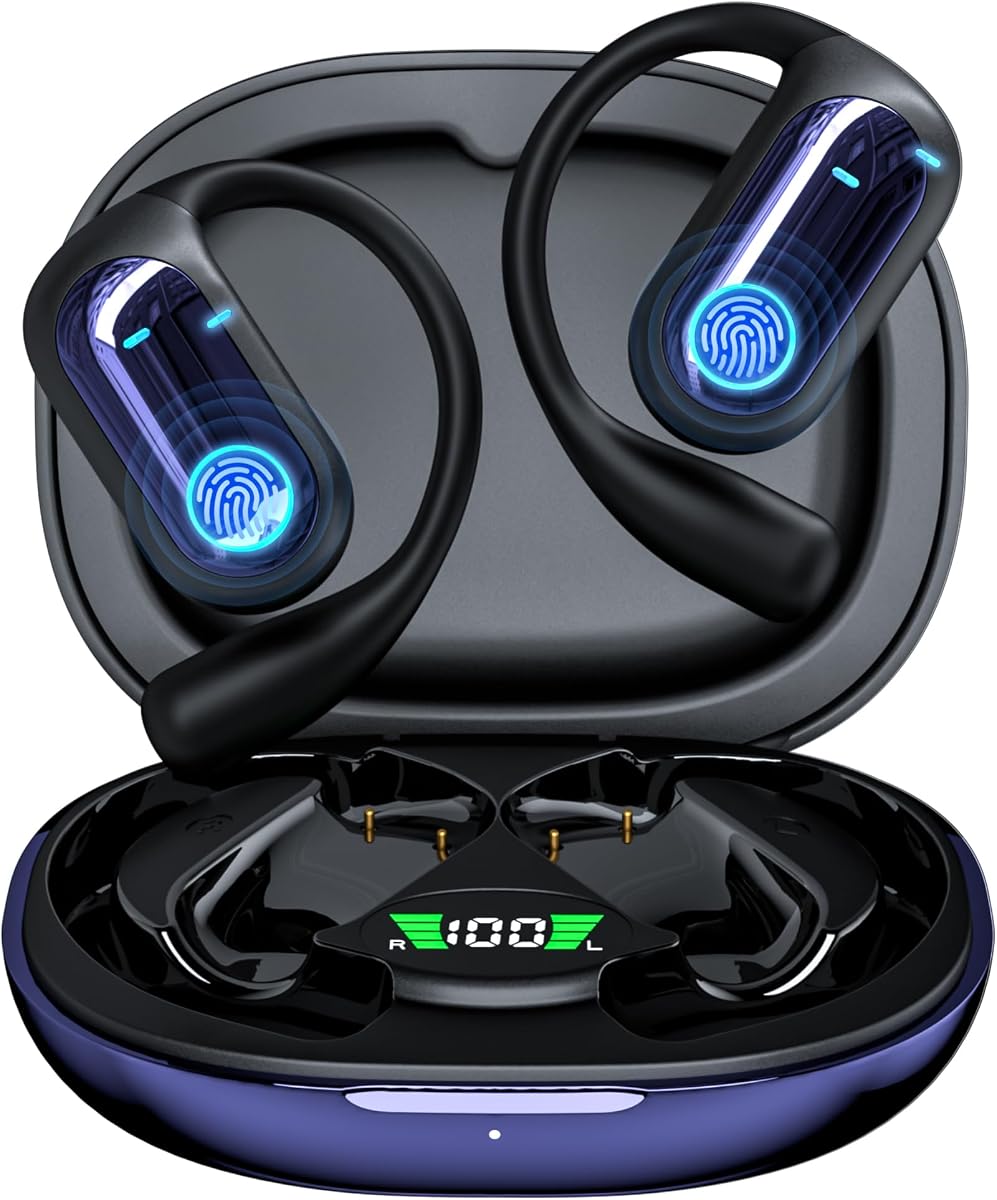
Smart Translator Earbuds: What to Know Before You Buy
AI translation earbuds like these promise real-time interpretation across 198 languages, a leap beyond traditional handheld translators. But with a 5.00 rating based on only 37 reviews—and an adjusted 4.10 after removing suspicious ones—it's wise to dig deeper before relying on them for critical conversations.
Key Considerations Before Buying
- Language coverage vs. actual fluency: While 198 languages sounds impressive, many are likely basic phrase-based translations. Check if key languages you need (e.g., Mandarin, Spanish, Arabic) support full conversational translation, not just common phrases.
- Open-ear design trade-offs: These earbuds don't seal your ear canal, which keeps you aware of surroundings—great for travel or office use—but may struggle in noisy environments where clear audio input is crucial for accurate translation.
- Real-time performance and latency: True simultaneous interpretation requires low latency. Look for specs on processing speed; delays over 1–2 seconds can make natural conversation awkward, especially in business settings.
What Our Analysts Recommend
Prioritize models with offline translation for key languages, as relying on a constant internet connection can fail abroad. Also check for dual-microphone noise cancellation and a companion app that allows easy language switching and firmware updates—these are hallmarks of serious translation devices.
Foreign Language Translators Market Context
Market Overview
The foreign language translator market is rapidly evolving, with AI-powered earbuds emerging as a convenient alternative to handheld devices. However, many products overstate language support and real-time capabilities, making it a bit of a minefield for consumers.
Common Issues
Frequent complaints include poor accuracy in noisy settings, limited offline functionality, and subscription fees for advanced features. Some devices also suffer from short battery life, making them impractical for all-day use.
Quality Indicators
Top-tier translators typically offer transparent language lists with proficiency levels, robust offline modes, and clear latency specs. Brands that provide detailed demos and user testimonials with specific use cases tend to be more reliable.
Review Authenticity Insights
Grade C Interpretation
A Grade C authenticity rating with an estimated 35% fake reviews means a significant portion of the 5-star ratings may be inflated. The adjusted rating of 4.10 is still positive, but it suggests genuine user experiences are more mixed than the perfect score implies.
Trust Recommendation
Focus on verified purchase reviews, especially those with detailed pros and cons. Be cautious of reviews that are overly enthusiastic or lack specifics—they may be fabricated. Consider the product's return policy to mitigate risk.
Tips for Reading Reviews
Look for reviews that mention specific scenarios (e.g., 'used in a business meeting in Japan') and note both strengths and weaknesses. Pay attention to complaints about translation accuracy for less common languages, as these are often telling.
Expert Perspective
These AI translation earbuds offer an intriguing blend of open-ear comfort and broad language support, but the high fake review percentage warrants caution. The adjusted rating of 4.10 suggests they work well for some, likely in common language pairs and quiet settings, but may disappoint in demanding situations.
Purchase Considerations
Weigh the convenience of earbuds against the need for reliability. If you frequently converse in noisy environments or need flawless translation for critical matters, a dedicated handheld translator might be safer. Also, check if the 198 languages include the ones you actually need.
Comparing Alternatives
Compare with established brands like Pocketalk or Google Pixel Buds, which have more transparent performance histories and user feedback.


