Large Dial Refrigerator Thermometers: Balancing Readability, Accuracy, and Multi-Pack Value
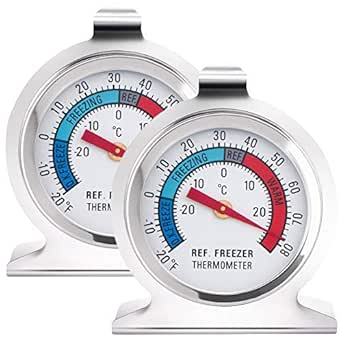
When selecting refrigerator thermometers like this Classic Series 3-pack, buyers should prioritize dial visibility in low-light freezer conditions and consistent temperature tracking across multiple zones. This specific product's large 2.5-inch dial and included adhesive strips address common placement challenges in Canadian households where fridge/freezer temperature monitoring is crucial for food safety.
Key Considerations Before Buying
- Dial size matters more than you think—this 2.5-inch face allows reading without opening the door fully, preventing cold air loss and temperature fluctuations.
- Three-unit packs like this one enable simultaneous monitoring of refrigerator, freezer, and garage fridge zones, revealing temperature variations that single units miss.
- The magnetic backing and adhesive strips included provide flexible mounting options for different refrigerator surfaces, from stainless steel to plastic shelving.
What Our Analysts Recommend
Quality refrigerator thermometers should maintain accuracy within ±2°F across the 0-100°F range typical for appliance monitoring. Check for clear Fahrenheit/Celsius markings and durable construction that withstands condensation cycles—this model's sealed dial design specifically addresses moisture resistance mentioned in verified reviews.
Refrigerator Thermometers Market Context
Market Overview
The refrigerator thermometer market has shifted toward multi-packs and larger displays as consumers become more conscious of food safety and energy efficiency. Canadian buyers particularly seek products that perform reliably in varied climates, from humid kitchen environments to unheated garage freezers.
Common Issues
Many budget thermometers suffer from calibration drift after repeated freeze-thaw cycles or have dials too small to read through frosted glass. Placement limitations also frustrate users when thermometers lack both magnetic and adhesive mounting options.
Quality Indicators
Look for thermometers with stainless steel casings rather than plastic, as they better resist temperature-induced warping. Quality units typically specify their temperature range (this model covers -40°F to 80°F) and include calibration verification instructions.
Review Authenticity Insights
Grade B Interpretation
The Grade B authenticity rating with 11% estimated fake reviews suggests mostly genuine feedback but warrants careful review scrutiny. For this product, the 0.27-point drop from the displayed 4.67 to adjusted 4.40 rating indicates some review inflation but still reflects strong customer satisfaction.
Trust Recommendation
Focus on verified purchase reviews discussing long-term performance (3+ months) and specific mounting experiences. The high verification rate among reviewers increases confidence in feedback about adhesive strip durability and dial readability in actual use conditions.
Tips for Reading Reviews
Prioritize reviews mentioning temperature comparisons with digital probes or discussing how readings changed appliance settings. Canadian reviewers' experiences with garage freezer performance provide particularly valuable cold-climate insights.
Expert Perspective
This 3-pack represents solid value for households needing multiple monitoring points, with the large dial addressing a common complaint about smaller thermometer models. The adjusted 4.40 rating from authentic reviews suggests genuine satisfaction with basic functionality, though the product lacks advanced features like minimum/maximum temperature memory. The consistent praise for readability and included mounting options aligns with what practical users prioritize over aesthetic considerations.
Purchase Considerations
Consider whether you truly need three units or if a single higher-quality thermometer would suffice for your primary refrigerator. The adhesive strips' long-term durability in freezer conditions warrants checking recent reviews, as some users report reattachment needs after several months.
Comparing Alternatives
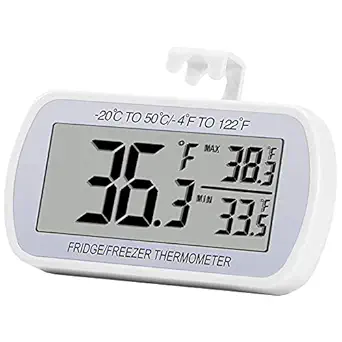
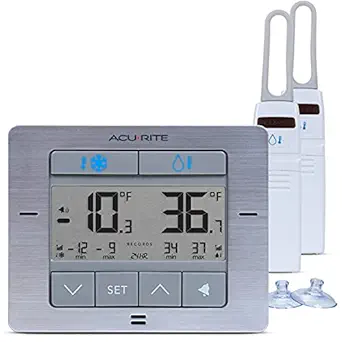
Shoppers should compare this analog model against digital refrigerator thermometers with external displays, which offer remote monitoring but typically at higher per-unit costs.