Master Your USB-C Power with a Color Screen Tester: 5 Key Insights
For electronics enthusiasts and technicians, a USB-C power meter is essential for diagnosing charging issues and verifying power delivery. The diymore USB C Power Meter Tester, with its color screen and ability to measure DC 4-30V/0-12A, offers a versatile tool for monitoring voltage, current, and even CPU temperature. Before you buy, consider these specific factors to ensure it meets your diagnostic needs.
Key Considerations Before Buying
- Voltage and current range: This tester covers DC 4-30V and 0-12A, which is suitable for most USB-C devices like laptops and phones, but verify it matches your highest power source (e.g., a 20V laptop charger).
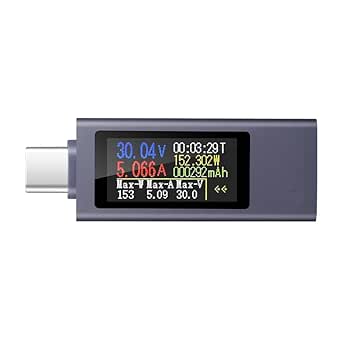
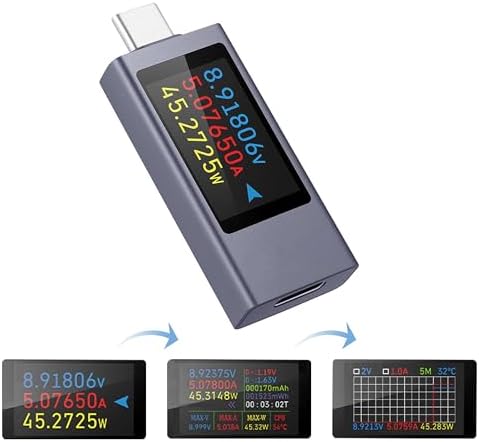
- Display and data readability: The three-screen switch lets you toggle between voltage, current, and CPU temperature—a unique feature for a power meter. Ensure the color screen is bright enough for your workspace, especially if you use it in direct sunlight.
- Measurement accuracy and calibration: Look for a tester with a low tolerance (e.g., ±0.5%) for reliable readings. The diymore model includes a temperature sensor, but check if it can be calibrated for precise thermal monitoring.
What Our Analysts Recommend
Quality USB-C power meters should have a robust build, clear digital readouts, and support for fast-charging protocols like PD 3.0 or QC 4.0. For this tester, the color screen and CPU temperature monitoring add diagnostic value, but ensure the included cables are durable and the device has overvoltage protection to prevent damage.
Multi Testers Market Context
Market Overview
The USB-C power meter market has grown rapidly with the adoption of USB-C for charging laptops, tablets, and phones. Most devices now offer features like data logging, protocol detection, and high-current measurement, with color screens becoming a premium differentiator for readability and user experience.
Common Issues
Common problems include inaccurate readings due to poor calibration, fragile connectors that break after repeated use, and limited compatibility with non-standard USB-C cables. Some meters also fail to detect fast-charging protocols correctly, leading to misleading power reports.
Quality Indicators
Quality indicators include metal connectors for durability, a wide measurement range (e.g., up to 30V and 12A), and support for multiple protocols (PD, QC, AFC). A clear, responsive screen and the ability to switch between measurement modes are also signs of a well-designed tester.
Review Authenticity Insights
Grade B Interpretation
With a Grade B and an estimated 10% fake review rate, this product has a solid base of genuine feedback but includes a small number of potentially fabricated reviews. The 4.80/5 star rating is slightly inflated; the adjusted rating of 4.60/5 is more realistic, suggesting most buyers are satisfied but not universally ecstatic.
Trust Recommendation
We recommend trusting the majority of verified reviews, which highlight the tester's ease of use and accurate readings. However, be cautious of overly positive reviews lacking specific details—focus on those that mention concrete use cases, like testing a laptop charger or measuring CPU temperature under load.
Tips for Reading Reviews
When reading reviews for a USB-C power meter, prioritize those with photos or videos showing the device in action, and look for comments on build quality and long-term reliability. Ignore reviews that use generic language or mention unrelated products, as these are common in fake feedback.
Expert Perspective
The diymore USB C Power Meter Tester is a capable tool for DIYers and technicians, offering a unique combination of voltage, current, and CPU temperature monitoring in a compact color screen package. The high adjusted rating (4.60/5) and strong authenticity indicators suggest it performs reliably for typical USB-C power diagnostics, though the 10% fake review rate warrants a bit of caution. Its wide range (4-30V, 0-12A) covers most consumer electronics, and the three-screen switch is a practical feature for quick data checks.
Purchase Considerations
Consider this tester if you need a multi-function device for troubleshooting charging issues or monitoring power consumption in projects. It may not be ideal for professional lab use due to potential accuracy limitations at extreme ends of its range, but it's a solid choice for hobbyists and home use.
Comparing Alternatives
Shoppers should compare this with other USB-C meters from brands like MakerHawk or FNB58, which offer similar features but may have different protocol support or build quality.