Choosing the Right Textured PEI Plate for Your Bambu Lab 3D Printer
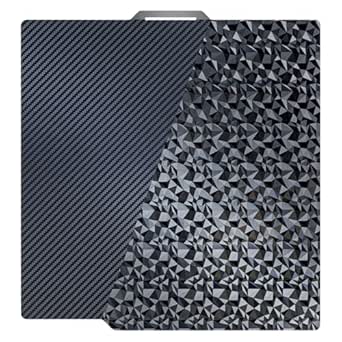
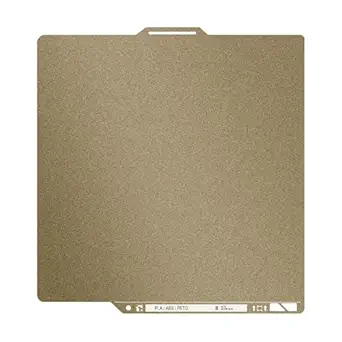
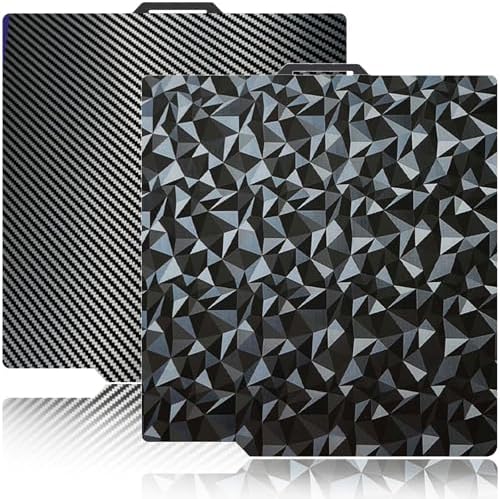
This 257x257mm textured PEI plate is specifically engineered for Bambu Lab's A1, X1, and P1 series printers, offering a carbon-textured surface that enhances adhesion for PET, PETG, and other engineering filaments. Unlike generic build plates, this accessory maintains compatibility with Bambu Lab's automatic bed leveling and heated bed systems while providing a distinct surface finish.
Key Considerations Before Buying
- Verify your specific Bambu Lab model compatibility, as the 257x257mm size fits most but not all variants, particularly checking the A1 Mini which requires different dimensions.
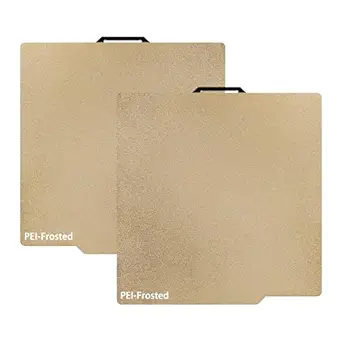
- Consider the PEO/PET/PEI surface treatment's impact on different filament types—textured PEI excels with PETG but may require different release characteristics for PLA compared to smooth PEI plates.
- Assess whether the carbon-textured finish aligns with your aesthetic preferences for printed parts, as this pattern transfers directly to the first layer of your prints.
What Our Analysts Recommend
Genuine Bambu Lab-compatible plates should maintain precise 257x257mm dimensions with chamfered edges that won't interfere with printer gantries. Quality indicators include consistent texture depth across the entire surface and proper magnetic base integration that maintains the printer's Z-offset calibration. Check for manufacturer documentation about thermal expansion characteristics at Bambu Lab's typical 60-100°C bed temperatures.
3D Printer Platforms Market Context
Market Overview
The aftermarket build plate segment for Bambu Lab printers has expanded rapidly, with third-party manufacturers offering textured, smooth, and specialty surfaces at competitive prices. These plates represent one of the most frequently upgraded components as users seek improved adhesion, easier part removal, or specific surface finishes.
Common Issues
Common problems include dimensional inaccuracies that cause collision with printer components, inconsistent texture application leading to uneven first layers, and magnetic bases that are either too weak or too strong for Bambu Lab's spring steel system. Some third-party plates also exhibit warping at higher temperatures or reduced thermal conductivity.
Quality Indicators
High-quality plates demonstrate uniform texture application visible under angled light, precise corner radius matching OEM plates, and consistent thickness (±0.1mm) across the entire surface. Premium plates include proper branding and compatibility markings, while packaging should protect the PEI coating from scratches during shipping.
Review Authenticity Insights
Grade B Interpretation
The Grade B authenticity rating with 10% estimated fake reviews indicates predominantly genuine feedback with minimal manipulation. This suggests the 4.80 adjusted rating (from 5.00) reflects real user experiences rather than artificial inflation, though shoppers should remain aware that approximately 1 in 10 reviews may lack authenticity.
Trust Recommendation
Focus on reviews that mention specific Bambu Lab models and printing scenarios, as these demonstrate genuine usage. The high adjusted rating (4.80/5) across 94 reviews suggests consistent satisfaction, but pay particular attention to critical reviews discussing long-term durability or compatibility issues.
Tips for Reading Reviews
Prioritize reviews that discuss specific filaments (PETG, ABS, PLA) and their adhesion characteristics on this textured surface. Look for mentions of print count ("after 50 prints") and cleaning methods, as these indicate extended real-world use rather than first impressions.
Expert Perspective
This product's exceptional 4.80 adjusted rating across 94 reviews indicates strong performance in the Bambu Lab ecosystem. The textured PEI surface specifically addresses adhesion challenges with engineering filaments while maintaining the dimensional precision required for these automated printers. The authenticity analysis suggests genuine user satisfaction rather than manipulated ratings, though the 10% potential fake review rate warrants careful review evaluation. The carbon-textured pattern appears well-received for both functional and aesthetic purposes.
Purchase Considerations
Weigh this plate's textured surface against your primary filament usage—excellent for PETG but potentially less ideal for PLA where smooth surfaces often work better. Consider whether you value the distinctive textured finish on your prints' bottom layers, and verify that your specific Bambu Lab model uses the 257x257mm plate size before purchasing.
Comparing Alternatives
Shoppers should compare this textured plate with smooth PEI, double-sided, and specialized engineering build surfaces to match their specific printing requirements.