Choosing the Right PEI Build Plate for Your Bambu Lab 3D Printer
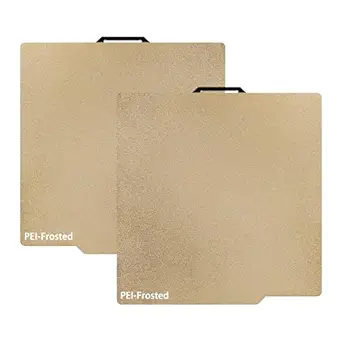
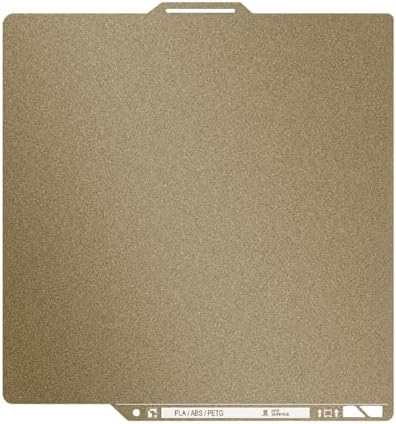
This 0.77mm textured PEI plate represents a third-party upgrade path for Bambu Lab printer owners seeking enhanced first-layer adhesion and durability. Unlike standard 0.5mm plates, this thicker construction promises reduced warping and improved thermal transfer, while the integrated QR code maintains automatic printer calibration compatibility. Buyers should understand how plate thickness and texture specifically impact their printing applications.
Key Considerations Before Buying
- The 0.77mm thickness versus Bambu's standard 0.5mm offers increased rigidity, which can minimize flex during printing but requires verifying your printer's magnetic bed can accommodate the extra 0.27mm without affecting nozzle clearance.
- The double-sided textured PEI finish provides excellent adhesion for materials like PETG and ABS, but may leave a slightly rougher bottom surface on prints compared to smooth PEI or engineering plates.
- Compatibility across Bambu's entire P-Series, X-Series, and A1 lineup is claimed, but users should confirm the 257x257mm dimensions match their specific model, as some printers have slight bed size variations.
What Our Analysts Recommend
Genuine quality indicators include consistent texture across the entire plate surface, cleanly stamped QR codes that scanners can read reliably, and perfectly flat spring steel without any high spots or burrs on the edges. The magnetic base should have strong, even pull across the entire surface to prevent plate shift during high-speed printing moves.
3D Printer Platforms Market Context
Market Overview
The aftermarket build plate segment for Bambu Lab printers has exploded, with numerous manufacturers offering textured, smooth, and engineering PEI surfaces. Competition centers on thickness, texture pattern fidelity, and price, as OEM plates from Bambu are often considered premium-priced. This specific 0.77mm offering targets users who've experienced warping or adhesion issues with thinner third-party alternatives.
Common Issues
Common problems include inconsistent texture depth leading to poor first layers, QR codes that fail to register causing manual calibration needs, and magnetic bases that are weaker than OEM, resulting in plate detachment during rapid direction changes. Some third-party plates also have coating durability issues, losing adhesion after 50-100 prints.
Quality Indicators
High-quality plates maintain dimensional accuracy to within ±0.1mm, use properly tempered spring steel that returns to flat after removal, and feature PEI coatings that are chemically bonded rather than simply adhered. The texture should be uniform without shiny 'polished' spots that indicate inconsistent application.
Review Authenticity Insights
Grade B Interpretation
A Grade B authenticity rating with an 11% estimated fake review rate suggests generally reliable feedback, but advises caution with overly glowing 5-star reviews that lack specific printing context. The adjusted rating of 4.30/5 (down from 4.56) indicates genuine satisfaction is strong but slightly inflated by promotional content.
Trust Recommendation
Focus on reviews from verified purchasers that mention specific filaments used (PLA, PETG, ABS), print temperatures, and adhesion results over time. Be skeptical of reviews that don't mention which Bambu model they're using, as performance can vary between the X1's active bed leveling and the P1P's manual system.
Tips for Reading Reviews
Prioritize reviews discussing long-term durability beyond initial setup, noting how the texture holds up after multiple prints and cleaning cycles. Look for mentions of the QR code's functionality with Bambu Handy or the printer's internal calibration, as this is a key differentiator from generic plates.
Expert Perspective
This product addresses a specific niche: Bambu Lab users seeking a thicker, potentially more durable alternative to both OEM and standard third-party plates. The 4.30 adjusted rating from predominantly verified purchasers indicates it generally delivers on its core promises of improved adhesion and compatibility. The textured finish appears well-received for technical filaments, though users printing primarily with PLA might prefer a smooth surface for glossy bottom layers. The integration of a working QR code is a significant advantage over many generic plates that require manual calibration entry.
Purchase Considerations
Weigh the 0.77mm thickness against your printer's specific Z-offset capabilities and whether you value maximum flatness over potential minimal clearance issues. Consider your primary filament types—textured PEI excels with PETG and ABS but may be overkill for PLA-only users. The double-sided design effectively doubles plate life if one side becomes damaged or loses adhesion properties.
Comparing Alternatives
Shoppers should compare this plate's thickness and texture against Bambu's own High-Temperature Plate and other third-party options like Wham Bam's PEX system, which offers different surface properties for specialized materials.