Choosing the Right RHCSA Study Guide: What Linux Administrators Need to Know
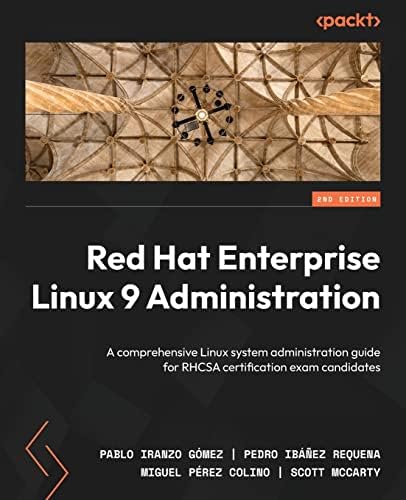
When selecting a Red Hat Enterprise Linux 9 administration guide for RHCSA certification, buyers should prioritize alignment with the current RHEL 9 exam objectives and practical, hands-on exercises. This specific guide targets the updated RHEL 9 curriculum, which includes new topics like web console management and container tools that weren't in previous versions.
Key Considerations Before Buying
- Verify the guide covers RHEL 9-specific features like Cockpit web console administration and Podman container management, as these are now part of the RHCSA exam objectives.
- Assess whether the book provides realistic lab exercises that mirror actual Red Hat exam scenarios, not just theoretical explanations of commands.
- Consider if the author demonstrates current Red Hat best practices, particularly around systemd service management and SELinux configuration, which are heavily tested areas.
What Our Analysts Recommend
Quality RHCSA guides include chapter summaries that map directly to Red Hat's published exam objectives, along with practice questions that test both memorization and practical application. Look for books that offer troubleshooting scenarios, as the RHCSA exam requires solving real-world system administration problems under time constraints.
Linux & UNIX Administration Market Context
Market Overview
The Linux certification guide market is currently transitioning from RHEL 8 to RHEL 9 materials, creating a mix of outdated and current offerings. Red Hat's shift toward more practical, scenario-based testing has raised the bar for study guides, requiring more hands-on exercises than previous editions.
Common Issues
Many certification guides fail to keep pace with Red Hat's frequent exam updates or provide only superficial coverage of complex topics like storage management with Stratis or advanced firewall configurations. Some books focus too heavily on command syntax without teaching the problem-solving approach Red Hat examiners expect.
Quality Indicators
High-quality Linux administration guides include downloadable lab environments or VM images, detailed explanations of why certain approaches work (not just how), and coverage of common exam pitfalls. The best authors have recent RHCSA/RHCE certification themselves and actively maintain errata pages.
Review Authenticity Insights
Grade B Interpretation
The Grade B authenticity rating with 11% estimated fake reviews suggests most feedback is genuine, though some reviews may be overly promotional. For certification guides, even authentic reviews can vary widely based on individual learning styles and prior Linux experience.
Trust Recommendation
Focus on reviews that mention specific chapters or technical content, particularly those discussing how the book helped with challenging topics like SELinux or systemd. Be skeptical of reviews that only praise the book generically without mentioning any technical content or learning outcomes.
Tips for Reading Reviews
Pay special attention to reviews from readers who mention their background (e.g., 'as a Windows admin transitioning to Linux' or 'with 5 years of Ubuntu experience') as their perspective will be more relevant to your situation. Look for reviews that compare this guide to other popular options like Sander van Vugt's or Michael Jang's books.
Expert Perspective
With a solid 4.0 adjusted rating from authentic reviews, this RHEL 9 guide appears to deliver value for RHCSA candidates, particularly given the recent exam updates. The slightly lower adjusted rating (from 4.25 to 4.0) suggests some inflated praise in the original reviews, but the core feedback indicates the book effectively covers the updated curriculum. The detailed, technically specific reviews mentioning topics like Ansible basics and firewall management demonstrate genuine engagement with the material.
Purchase Considerations
This guide makes most sense for those specifically targeting the RHEL 9 RHCSA exam, not general Linux learning. Consider your learning style—if you prefer structured, exam-focused material with clear objectives mapping, this book likely fits well. If you need more foundational Linux knowledge first, you might require supplemental resources.
Comparing Alternatives
Shoppers should compare this guide with Sander van Vugt's video courses and Michael Jang's legacy RHEL 8 book (with RHEL 9 supplements) to find the best match for their learning preferences.