
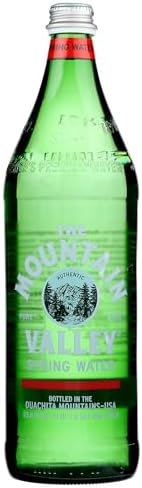
Mountain Valley Water: Is the Glass-Bottle Premium Worth It?
Mountain Valley Water distinguishes itself in the crowded still water market with its iconic green glass bottles and a mineral-rich spring source in Arkansas. For consumers considering this premium option, understanding what sets it apart—and what you're paying for—is key to making a confident choice.
Key Considerations Before Buying
- Glass vs. plastic: The heavy glass bottle is a double-edged sword—it avoids plastic taste and environmental concerns but adds weight and fragility. Consider how you'll store and transport it, especially if you're buying for home delivery or office use.
- Mineral content: Mountain Valley's spring water has a distinct mineral profile (calcium, magnesium, and potassium) that gives it a smooth, slightly alkaline taste. If you prefer a neutral flavor, this may not be your best match; if you like a crisp, clean mouthfeel, it's a plus.
- Price point: At around $2–$4 per 33.8 fl oz bottle, this is a premium product compared to standard bottled water. Assess whether the taste and packaging justify the cost for your daily hydration or special occasions.
What Our Analysts Recommend
In spring waters, look for a clear source origin (e.g., a specific spring location) and a published mineral analysis. For Mountain Valley, verify the bottle's integrity—any cracks or leaks on arrival can compromise quality. Also, check the 'best by' date to ensure freshness; natural spring water doesn't expire quickly, but proper bottling matters.
Still Water Market Context
Market Overview
The still water market is dominated by affordable, mass-produced brands, but a growing segment of health-conscious and eco-aware consumers is driving demand for premium spring waters in sustainable packaging. Mountain Valley sits at the intersection of 'functional' (mineral content) and 'lifestyle' (glass bottle) trends, competing with brands like Fiji, Evian, and Icelandic Glacial.
Common Issues
A frequent issue in the bottled water category is misleading labeling—some 'spring' waters are actually treated municipal water. Plastic bottles can leach chemicals (like BPA) if exposed to heat, affecting taste and safety. Also, consumers often complain about inconsistent taste across batches due to varying source conditions or storage.
Quality Indicators
Indicators of a high-quality spring water include transparency about the source, a stable mineral composition (published on the label or website), and packaging that protects the water from light and heat—glass is ideal. Certifications like NSF or IBWA membership can also signal adherence to safety standards.
Review Authenticity Insights
Grade B Interpretation
The Grade B rating and 12% estimated fake review percentage suggest that while the majority of reviews are genuine, a notable minority may be incentivized or non-verified. This is typical for a well-known brand with a large review count—it doesn't invalidate the overall positive signal, but it warrants caution when reading extremely positive or overly detailed reviews.
Trust Recommendation
Given the 4.11-star average (adjusted to 3.90), you can trust that real customers generally like the product, but the lower adjusted rating hints that some negative experiences (e.g., shipping damage or taste preferences) may be underrepresented. Look for reviews that mention specific use cases (e.g., coffee brewing, baby formula) and verify the 'verified purchase' badge to filter out potential fakes.
Tips for Reading Reviews
When reading reviews for bottled water, focus on comments about taste, packaging durability, and delivery experience. Ignore reviews that are overly generic or use marketing language (e.g., 'best water ever!') without specifics. Also, check the negative reviews—they often reveal recurring issues like broken bottles or poor customer service.
Expert Perspective
Mountain Valley Water in glass bottles is a legitimate premium product with a strong brand heritage and a distinct mineral taste that many consumers love. The high genuine review count and verified purchase ratio indicate that the product consistently meets expectations for those who prioritize taste and packaging. However, the 12% fake review rate and the drop in adjusted rating suggest that some marketing noise exists, so buyers should rely on detailed, verified feedback.
Purchase Considerations
Weigh the cost per ounce against your budget and drinking habits. If you're a regular bottled water buyer, the price may be prohibitive for daily use; consider reserving it for special occasions or trying a single bottle first to see if you like the taste. Also, factor in the environmental impact of glass—it's recyclable but heavier to transport, which may offset some eco-benefits.
Comparing Alternatives
Shoppers should compare Mountain Valley with other premium spring waters like Fiji (which uses plastic but has a similar mineral profile) or Crystal Geyser (a more affordable natural spring option). Each offers a different balance of taste, packaging, and price, so your choice depends on your priorities.


