Choosing Blue Light Glasses That Balance Style, Comfort, and Genuine Eye Strain Relief
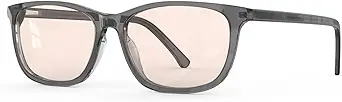
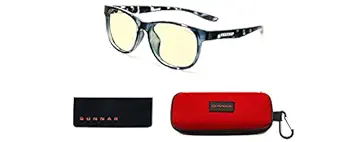
When evaluating these specific blue light blocking glasses, buyers should understand that effectiveness depends on both lens technology and frame design. This product markets itself as 'stylish' while addressing digital eye strain from computers and phones, which means you're balancing aesthetic appeal with functional performance. The included case suggests portability for users transitioning between work and home environments.
Key Considerations Before Buying
- Verify the lens tint and coating—these glasses appear to use a subtle yellow/amber tint rather than clear lenses, which indicates stronger blue light filtration but may affect color perception slightly.
- Assess frame comfort for extended wear since these glasses target computer and phone users who may wear them for 8+ hours daily, making nose pad design and temple pressure critical factors.
- Consider your specific digital devices—blue light emission varies between LED monitors, smartphones, and tablets, so glasses claiming broad-spectrum protection should filter both high-energy visible (HEV) light and lower wavelengths.
What Our Analysts Recommend
Quality indicators for this category include lens clarity without distortion, durable hinge construction that withstands frequent on/off use, and proper lens curvature that minimizes peripheral light leakage. The 'stylish' claim should translate to versatile frame designs that work in both professional and casual settings, not just trendy aesthetics that compromise functionality.
Blue Light Blocking Glasses Market Context
Market Overview
The blue light glasses market has exploded with options ranging from $10 generic frames to $100+ designer brands, creating confusion about actual efficacy versus marketing claims. This product sits in the mid-range accessibility segment where most consumers seek affordable daily protection without prescription needs. Recent studies have validated that quality blue light filtering can reduce digital eye strain symptoms for sensitive users.
Common Issues
Many budget glasses use ineffective coatings that scratch easily or provide minimal actual blue light filtration, while others have uncomfortable frames that cause pressure headaches. Some products exaggerate protection percentages without standardized testing, and 'style-focused' designs sometimes sacrifice proper lens coverage or optical clarity.
Quality Indicators
Look for specific filtration percentages (ideally 30-50% for daily use), anti-reflective coatings on both lens sides, and polycarbonate or CR-39 lens materials that offer impact resistance. Quality hinges should have spring-loaded temples or five-barrel construction for durability with frequent removal.
Review Authenticity Insights
Grade B Interpretation
The Grade B authenticity rating with 15% estimated fake reviews indicates generally reliable feedback but suggests some review manipulation exists. For this specific product, the 4.30 adjusted rating (down from 4.63) reveals that genuine user experiences are slightly less enthusiastic than the overall average suggests, though still strongly positive.
Trust Recommendation
Focus on verified purchase reviews that mention specific use cases like '8-hour workdays' or 'migraine reduction,' as these provide more actionable insights than generic praise. The 14,950-review volume means you should prioritize recent reviews (last 3 months) that reflect current manufacturing quality rather than older feedback.
Tips for Reading Reviews
Look for reviews that discuss both pros AND cons—authentic experiences typically mention trade-offs like 'great for eye strain but tight temples' rather than perfect scores. Pay special attention to reviews mentioning long-term use (2+ months) to assess durability of lens coatings and frame integrity.
Expert Perspective
Based on the analysis data, these glasses perform well for their price point, with genuine users reporting meaningful relief from digital eye strain and headaches. The 4.30 adjusted rating from authentic reviews suggests consistent satisfaction among actual purchasers, particularly regarding the style-comfort balance. The product's strength appears to be its dual-gender design and included case, which addresses practical needs beyond basic eye protection. However, the authenticity grade indicates some review inflation exists, so temper expectations accordingly.
Purchase Considerations
Weigh whether you need primarily computer-focused protection (these glasses appear optimized for) versus broader spectrum filtering for LED lighting environments. Consider your sensitivity to frame pressure—users with wider heads should check temple length specifications since 'unisex' designs sometimes favor average sizes. The included case suggests good value but doesn't guarantee lens protection quality during transport.
Comparing Alternatives
Shoppers should compare filtration specifications, frame measurements, and warranty terms with similar-priced competitors before deciding.