
Choosing a Decibel Meter: Balancing Home Use Accuracy with Industrial Durability
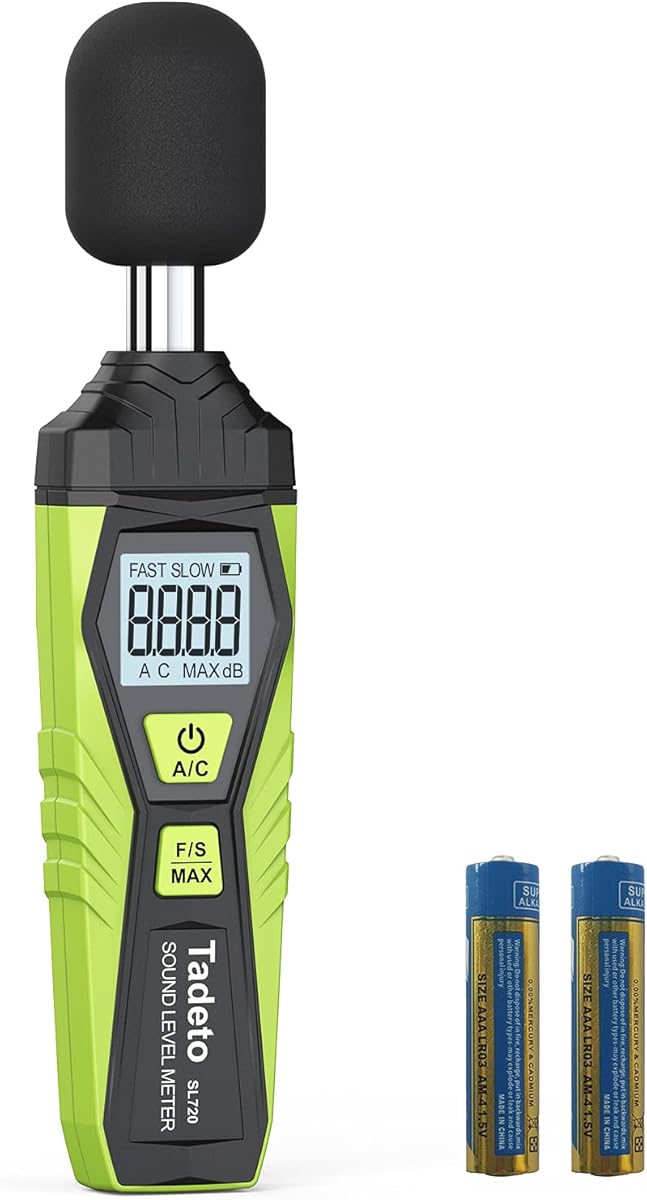
The Tadeto Digital Sound Level Meter occupies a unique space between consumer-grade noise monitors and professional measurement tools. With its 30-130dB range and A/C weighting, this device targets homeowners monitoring environmental noise while offering basic functionality for workplace compliance checks. Buyers should understand that its 'MAX Data Hold' feature captures peak readings, which is essential for identifying intermittent noise sources rather than just average levels.
Key Considerations Before Buying
- The 30-130dB range covers everything from quiet libraries (30dB) to rock concerts (110dB+), but lacks the extended range needed for firearms testing or heavy industrial applications.
- A/C weighting selection allows you to switch between frequency responses—A-weighting mimics human hearing for environmental noise, while C-weighting captures low-frequency sounds like machinery vibrations.
- Portability and backlight features make this suitable for field measurements, but the absence of calibration certification limits its use for official regulatory compliance.
What Our Analysts Recommend
Genuine quality indicators in this price segment include consistent readings across multiple measurements, responsive MAX hold functionality that actually captures transient peaks, and clear backlight visibility in low-light conditions. The Tadeto's LCD display with backlight addresses practical measurement needs, but serious users should verify consistency against known reference sources.
Sound & Noise Meters Market Context
Market Overview
The sub-$50 decibel meter market has expanded dramatically with Chinese-manufactured devices like the Tadeto, creating accessible options for non-professionals while raising questions about long-term accuracy. These products fill a gap between smartphone apps (notoriously inaccurate) and $200+ calibrated professional meters, appealing to homeowners, hobbyists, and small business operators needing basic sound level verification.
Common Issues
Budget meters frequently suffer from inconsistent calibration drift over time, poor microphone sensitivity to low-frequency sounds, and confusing interfaces that make A/C weighting selection cumbersome. Many users report frustration with devices that claim wide ranges but become unreliable at measurement extremes.
Quality Indicators
Look for devices with verified purchase reviews showing consistent performance over months of use, clear documentation about measurement tolerances (±1.5-2dB is typical in this segment), and physical design features like wind screens or protective cases that suggest attention to real-world use.
Review Authenticity Insights
Grade B Interpretation
A Grade B authenticity rating with 11% estimated fake reviews indicates predominantly genuine feedback with some promotional content. For this specific product, the 4.40 adjusted rating (down from 4.67) suggests authentic users are slightly less enthusiastic than the overall rating implies, though still generally positive.
Trust Recommendation
Focus on verified purchase reviews that describe specific measurement scenarios—monitoring neighborhood construction, workplace noise assessments, or hobbyist applications like car audio tuning. These detailed accounts from the 89% authentic reviews provide more reliable insights than generic praise.
Tips for Reading Reviews
Prioritize reviews that mention comparative testing against other meters or reference sources, discuss long-term accuracy observations over weeks/months, or note specific dB readings in real-world scenarios. These demonstrate actual measurement experience rather than superficial unboxing impressions.
Expert Perspective
The Tadeto meter represents solid value in the entry-level measurement category, particularly for intermittent home and light commercial use. Its 4.40 adjusted rating from authentic reviews suggests it delivers on basic functionality expectations, though professional users should note its limitations for certified compliance work. The device's combination of A/C weighting, data hold, and backlight addresses the most common user needs without unnecessary complexity. However, the absence of calibration documentation or NIST-traceable certification places it firmly in the 'informational use only' category rather than regulatory compliance tool.
Purchase Considerations
Consider this meter if you need occasional noise level verification for neighborhood complaints, workplace comfort checks, or hobbyist applications. Budget approximately $15-25 for occasional recalibration against a reference source if measurement precision matters for your use case. The portable design with included case makes it suitable for moving between locations, but the basic microphone may struggle with highly directional sound sources.
Comparing Alternatives
Shoppers should compare the Tadeto's features against similarly priced offerings from BAFX Products or Meterk, paying particular attention to warranty terms and calibration options.


