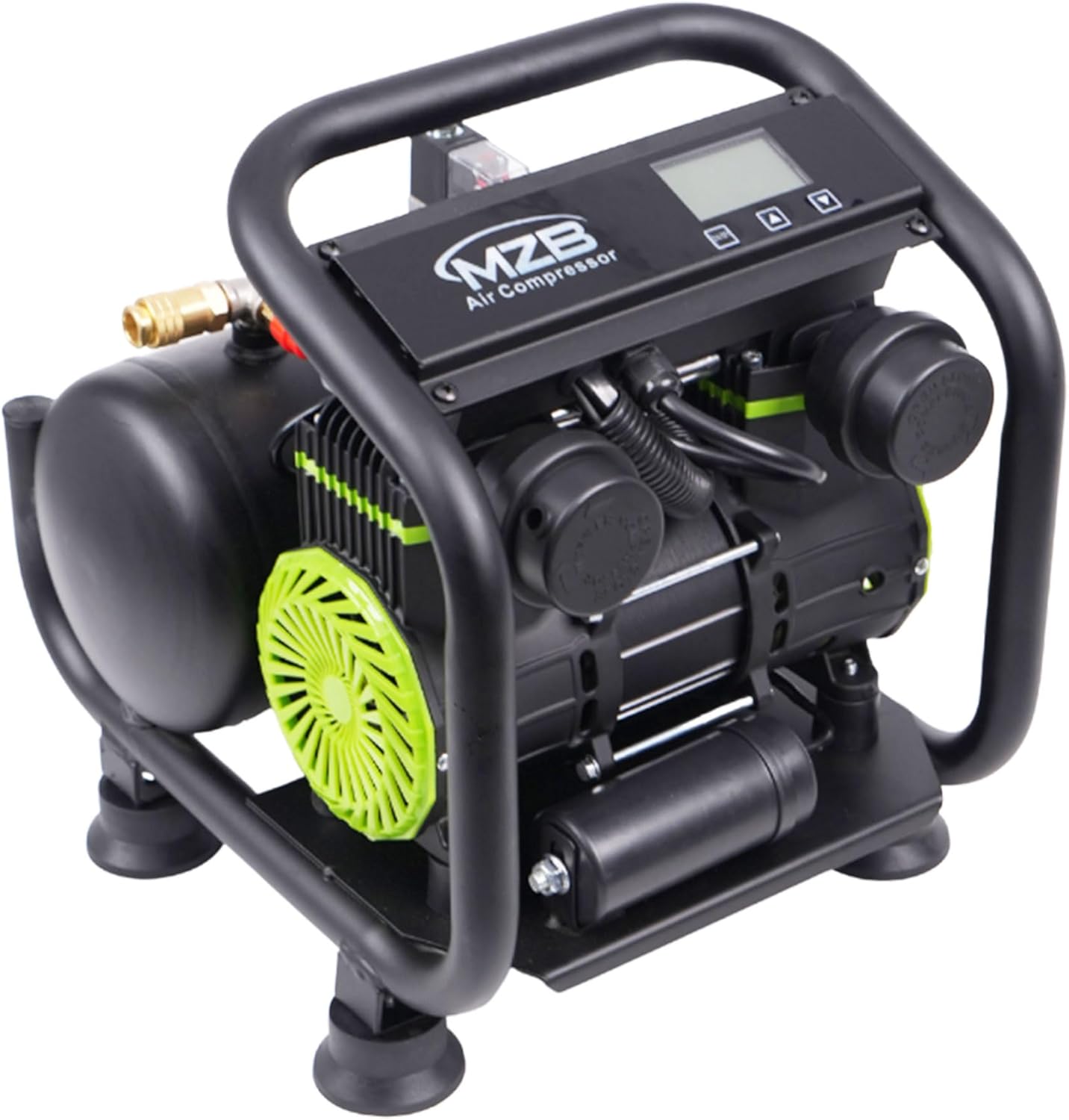
Bounce House Blowers: Power, Heat, and Airflow—What Really Matters
When you're setting up a bounce house or inflatable slide for a party, the blower is the unsung hero. This 370W/0.5HP unit with a double-sided fan blade is designed to deliver strong, consistent airflow while managing heat—two factors that can make or break your event. Here’s what to consider before you buy.
Key Considerations Before Buying
- Match the blower's CFM (cubic feet per minute) to your inflatable's size. This 370W/0.5HP blower is typically suited for mid-sized bounce houses and slides; check the manufacturer's specs to avoid under- or over-inflation.
- Look for heat dissipation features. Continuous operation during a party can cause overheating; a double-sided fan blade design, as seen here, helps improve airflow and cooling, extending the motor's life.
- Consider noise level and portability. Blowers run for hours, so a quieter model and one with a sturdy handle or lightweight build (around 5-7 lbs) will make setup and takedown more pleasant.
What Our Analysts Recommend
Quality indicators include a durable motor housing (often metal or high-grade plastic), a thermal overload protector to prevent burnouts, and a blower that maintains consistent airflow without significant drop-off. Also, check the cord length—a longer cord (10+ feet) gives you more flexibility in placement.
Portable Air Compressors Market Context
Market Overview
The market for portable air blowers and inflators has grown with the rise of backyard entertainment and commercial rentals. Most units range from 300W to 600W, with 0.5HP being a sweet spot for residential and light commercial use. Brands differentiate on airflow efficiency, noise, and durability.
Common Issues
Common problems include overheating after prolonged use, weak airflow that fails to keep inflatables fully inflated, and motors that burn out quickly due to poor heat dissipation or dust intake. Some users also report that blowers are louder than expected, which can be a nuisance at events.
Quality Indicators
High-quality blowers feature balanced fan blades (like the double-sided design) to reduce vibration, sealed bearings for longevity, and a housing that allows for easy cleaning. Look for UL or ETL certification for safety, and check if the manufacturer offers a warranty—a sign of confidence in their product.
Review Authenticity Insights
Grade B Interpretation
The Grade B and 10% estimated fake review rate suggest that the majority of the 496 reviews are genuine, but a small portion may be incentivized or fabricated. This is typical for popular products, and the adjusted rating of 4.60/5 still indicates strong real-world satisfaction.
Trust Recommendation
You can trust the overall positive sentiment, but be cautious of overly glowing reviews with vague language. Focus on reviews that mention specific usage scenarios, like 'used for a 4th of July party' or 'replaced my old blower,' as these align with the analysis findings.
Tips for Reading Reviews
When reading reviews, look for verified purchase badges and detailed accounts of performance over time (e.g., 'held up after 10 events'). Also, note any negative reviews that mention heat or noise issues—these are common and worth weighing against your needs.
Expert Perspective
Based on the data, this 370W/0.5HP blower appears to be a reliable choice for inflatable owners. The double-sided fan blade is a smart design that enhances airflow and heat dissipation, addressing two common failure points. With a 4.89/5 raw rating and 4.60/5 adjusted, it's clear that most users find it effective, though the slight discrepancy hints at some over-enthusiasm in reviews.
Purchase Considerations
Before buying, verify that the blower's output matches your inflatable's requirements—most bounce houses need 400-600 CFM. Also, consider the duty cycle: if you plan to run it for hours, prioritize models with thermal protection. This unit seems suited for occasional backyard use or light commercial rental, but for heavy daily use, you might want a higher-end model.
Comparing Alternatives
Shoppers should compare this blower with others in the same power range, such as those from brands like Intex or Bouncer, to check for differences in noise, airflow, and warranty. A few extra dollars for a quieter or more durable unit could be worth it.