
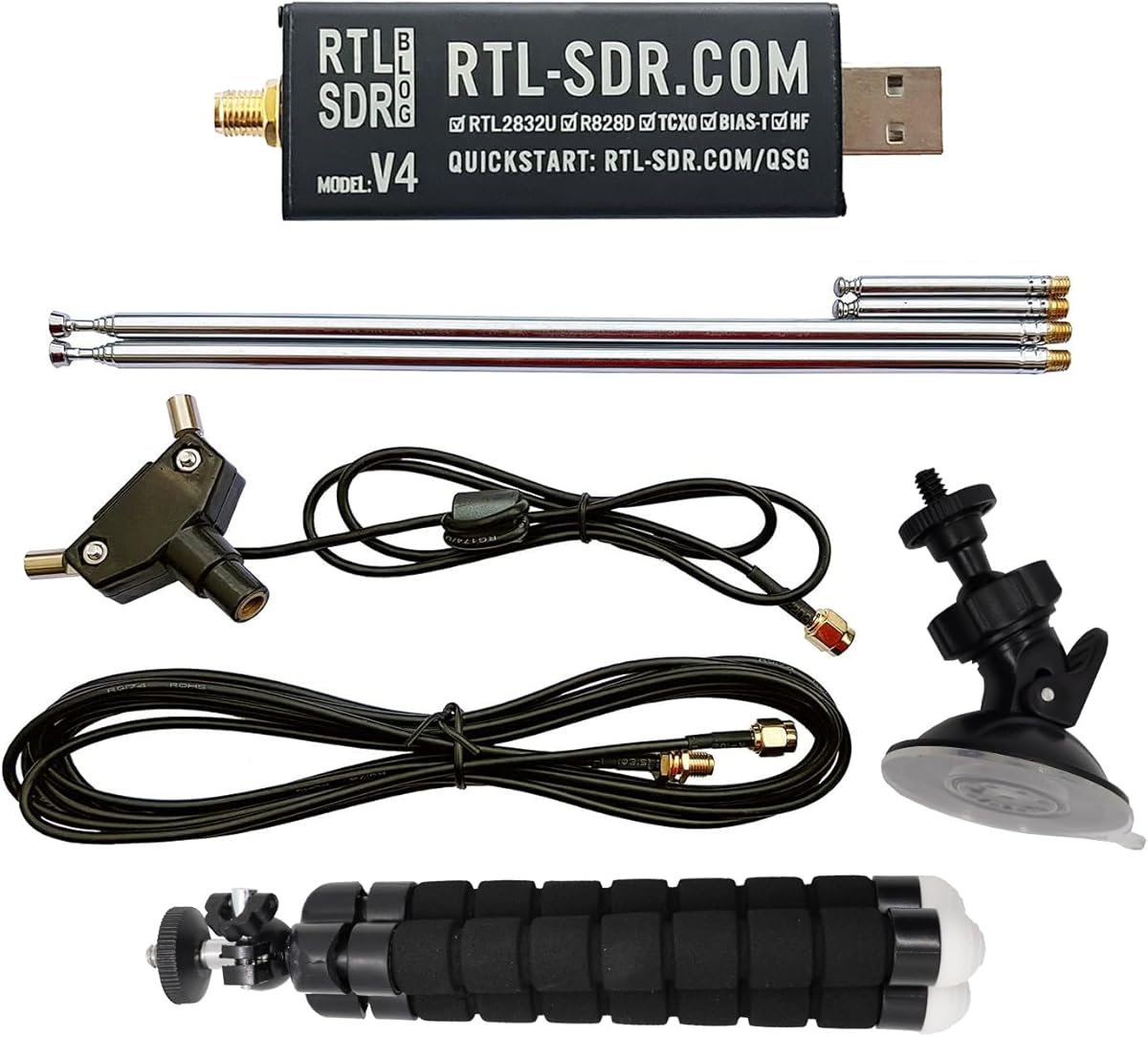
Choosing an SDR Kit: What Makes the RTL-SDR Blog V4 Stand Out
When selecting an entry-level software-defined radio like the RTL-SDR Blog V4, buyers should understand that this specific bundle includes critical upgrades over basic RTL-SDR dongles. The 1PPM TCXO oscillator, HF bias tee, and SMA connectors with dipole antenna kit represent a complete starter package designed for serious hobbyists rather than casual experimenters.
Key Considerations Before Buying
- The 1PPM TCXO (Temperature Compensated Crystal Oscillator) provides significantly better frequency stability than standard crystals, essential for digital modes like ADS-B aircraft tracking or weather satellite reception.
- The integrated HF bias tee allows you to power active antennas or preamplifiers directly through the coaxial cable, eliminating separate power supplies for accessories like the popular 'YouLoop' magnetic loop antenna.
- SMA connectors offer superior durability over MCX connectors found on cheaper dongles, though you'll need SMA-to-whatever adapters for most existing antenna cables.
What Our Analysts Recommend
Quality indicators in this category include metal enclosures for RF shielding, proper heat dissipation, and documented support for direct sampling mode for HF reception. The RTL-SDR Blog V4's aluminum case and documented 0.5-1766 MHz range with HF coverage via direct sampling mode check these boxes.
Radio Antennas Market Context
Market Overview
The RTL-SDR market has evolved from repurposed TV tuner dongles to purpose-built devices, with the RTL-SDR Blog versions leading the quality segment. While cheaper $20 dongles exist, they typically lack the TCXO, bias tee, and durable connectors that define this V4 model.
Common Issues
New users often struggle with driver installation on Windows, antenna impedance matching, and understanding the limitations of an 8-bit ADC (which affects dynamic range). The included dipole helps but isn't optimized for specific frequency bands.
Quality Indicators
Look for documented frequency stability specifications (1PPM here), metal construction for shielding, and manufacturer-provided software support. The RTL-SDR Blog's active development community and regular driver updates signal ongoing product support.
Review Authenticity Insights
Grade B Interpretation
A Grade B with 11% estimated fake reviews indicates generally trustworthy feedback with some promotional padding. The adjusted 4.40/5 rating (down from 4.67) suggests genuine satisfaction sits slightly below the surface rating but remains strongly positive.
Trust Recommendation
Focus on reviews discussing specific applications like NOAA satellite decoding, ADS-B range tests, or HF ham band reception. These technical details are harder to fake than generic praise. The high percentage of verified purchases (mentioned in analysis) adds credibility.
Tips for Reading Reviews
Prioritize reviews mentioning driver installation experiences on your operating system (Windows/Linux/macOS) and antenna performance comparisons. Look for discussions of the bias tee's actual current output (180mA max) and TCXO stability in temperature-varying environments.
Expert Perspective
The RTL-SDR Blog V4 represents the current sweet spot in entry-level SDRs, balancing the RTL2832U chipset's limitations with meaningful hardware improvements. The 4.40 adjusted rating from 1400+ reviews suggests consistent satisfaction among technically-minded users who appreciate its upgrades over basic dongles. Its inclusion of both SMA connectors and a basic dipole antenna makes it truly 'ready-to-use' compared to bare dongles requiring additional purchases.
Purchase Considerations
Consider whether you need the HF coverage and bias tee—if you're only interested in VHF/UHF like airband or police scanners, a simpler TCXO-equipped dongle might suffice. However, for future flexibility into shortwave listening or satellite work, these features justify the premium. The learning curve for SDR software remains steep regardless of hardware.
Comparing Alternatives
Compare with Nooelec NESDR models (which often use similar components) and Airspy's more expensive offerings if your budget allows higher performance.


