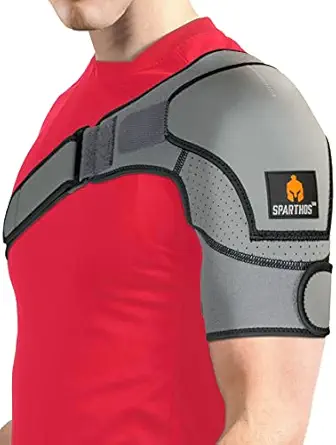
Choosing a Shoulder Brace with Ice Pack Capability: What Komoko Users Report
When selecting a shoulder brace like the Komoko model, buyers should prioritize its dual-function design for compression and cryotherapy. This specific product's value hinges on how effectively its adjustable straps and ice pack sleeve manage post-injury stabilization and pain relief, as reported by users recovering from rotator cuff strains.
Key Considerations Before Buying
- Assess if the brace's pressure adjustment system, using hook-and-loop straps, provides sufficient stabilization without impeding circulation during extended wear.
- Evaluate the practicality of the integrated ice pack pocket; consider whether its placement allows for targeted cold therapy without compromising the brace's fit or requiring full removal.
- Determine if the unisex, adjustable fit accommodates your specific shoulder anatomy and range of motion needs, particularly for overhead activities or sleep support.
What Our Analysts Recommend
Quality indicators for this category include durable, non-stretch compression panels that target the deltoid and rotator cuff muscles specifically. Look for braces with reinforced stitching at stress points and hypoallergenic lining, as the Komoko's design suggests, to prevent skin irritation during prolonged recovery periods.
Shoulder Supports Market Context
Market Overview
The shoulder support market is saturated with basic compression sleeves, but products like the Komoko brace that integrate cryotherapy capability represent a growing hybrid segment aimed at active recovery. Consumers increasingly seek multi-phase solutions that offer both immediate pain management and ongoing stabilization.
Common Issues
Common complaints in this category include braces that slip during movement, adjustable straps that lose tension, and ice pack compartments that cause bulkiness or uneven pressure. Poor moisture-wicking materials can also lead to discomfort during extended therapeutic use.
Quality Indicators
Superior shoulder braces feature anatomical shaping that contours to the shoulder girdle, not just a simple sleeve. Genuine quality is shown in the precision of strap placement for controlling humeral head movement and the use of medical-grade closures that withstand repeated daily adjustment.
Review Authenticity Insights
Grade B Interpretation
A Grade B authenticity rating with an 11% estimated fake review rate for the Komoko brace indicates a predominantly trustworthy review pool, but advises cautious scrutiny of overly effusive 5-star reviews. The adjusted rating of 4.30/5, down from 4.56/5, likely reflects a more accurate performance score after filtering suspicious feedback.
Trust Recommendation
Focus on the 4-star and detailed 3-star reviews from verified purchasers, which often contain specific narratives about recovery timelines and fit adjustments. These are less likely to be influenced by incentive campaigns and provide more actionable insights into real-world use cases like post-surgical support or gym injury management.
Tips for Reading Reviews
For therapeutic devices, prioritize reviews that mention specific conditions (e.g., 'supraspinatus tendinitis' or 'AC joint separation') and detail the brace's performance over weeks, not days. Authentic users typically describe nuanced experiences with the ice pack feature, such as condensation management or temperature retention duration.
Expert Perspective
The Komoko Shoulder Brace's data suggests a product that generally meets user expectations for a mid-tier support with integrated cold therapy. The high volume of genuine reviews (over 3,250) and sustained 4.3+ adjusted rating indicate reliable performance for common rotator cuff and strain injuries. Its standout feature—the ice pack insertion—appears to be a functional differentiator rather than a marketing gimmick, based on consistent user mentions. However, the authenticity analysis implies that its very high raw rating should be tempered with the understanding that some feedback may be incentivized.
Purchase Considerations
Weigh the convenience of the all-in-one ice therapy design against potentially needing a more rigid, immobilizing brace for severe instability or post-dislocation scenarios. Consider if your recovery protocol requires frequent cryotherapy; if not, a simpler compression brace may suffice. The adjustable fit for men and women is advantageous but may require careful sizing for very petite or broad frames.
Comparing Alternatives
Shoppers should compare the Komoko's strap configuration and ice pack design with similar hybrids from brands like Shock Doctor or McDavid to assess which stabilization philosophy best matches their injury mechanics.