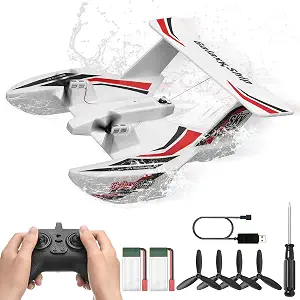
Choosing Your First RC Plane: SIMREX P51 Foam Glider for Beginners
The SIMREX P51 Foam Glider is designed as a beginner-friendly RC plane, featuring a 2.4GHz 3-channel remote and a 6-axis gyro for stability. For parents or newcomers, understanding its lightweight foam construction and park-flying suitability is key to matching expectations with real-world performance.
Key Considerations Before Buying
- The 6-axis gyro is a critical feature for beginners, as it automatically stabilizes the plane against wind gusts and tilt, making it easier to learn without constant crashes. Look for models with gyro systems to reduce frustration.
- Foam construction, like the P51's EPP material, is durable and lightweight but can be damaged in hard impacts or high winds. Consider flying only in calm conditions and over soft grass to extend the plane's life.
- A 3-channel control (throttle, rudder, elevator) is ideal for novices, offering basic maneuvers without the complexity of ailerons. Ensure the remote has a range of at least 200 feet for comfortable park flying.
What Our Analysts Recommend
Quality indicators for beginner RC planes include a robust 6-axis gyro for stability, a durable foam body with reinforcement at stress points, and a reliable 2.4GHz radio system to avoid interference. Battery life should be at least 15 minutes per charge, and replacement parts should be readily available for easy repairs.
Airplanes & Jets Market Context
Market Overview
The RC airplane market for kids and beginners has grown significantly, driven by affordable foam models with gyro stabilization. Brands like SIMREX compete with HobbyZone and Volantex, offering entry-level planes that prioritize ease of use over advanced aerobatics.
Common Issues
Common problems include short battery life (often under 10 minutes), fragile foam that cracks in cold weather, and difficulty flying in wind despite gyro assistance. Some users also report binding issues with the remote, requiring careful initial setup.
Quality Indicators
High-quality beginner planes feature a 6-axis gyro (not just 3-axis), a modular battery design for quick swaps, and a low wing loading for gentle stalls. Positive reviews highlighting easy assembly and stable flight out of the box are strong signals of reliability.
Review Authenticity Insights
Grade B Interpretation
With a Grade B and an estimated 10% fake reviews, the SIMREX P51 has a relatively trustworthy review set, but a small fraction may be incentivized or non-genuine. This suggests that while most feedback is reliable, shoppers should still exercise caution and focus on detailed, verified purchase reviews.
Trust Recommendation
Given the 10% fake rate, prioritize reviews that describe specific flight experiences, such as handling in wind or battery duration, and those with photos or videos. Verified purchase tags are a strong indicator of authenticity, so filter for those when possible.
Tips for Reading Reviews
For RC planes, pay attention to reviews that mention the gyro performance, assembly ease, and durability after crashes—these are unique to the product. Ignore overly generic praise (e.g., 'great gift') without context, and look for balanced critiques that note both pros and cons.
Expert Perspective
The SIMREX P51 Foam Glider is a solid entry-level RC plane for kids and beginners, backed by a 4.22 rating and a largely genuine review base. Its 6-axis gyro and foam construction make it forgiving for first-time fliers, though the 10% fake review rate and B grade suggest some caution. The product excels in stable, low-wind park flying but may frustrate those expecting high-speed aerobatics or long flight times.
Purchase Considerations
Weigh the SIMREX P51's affordability and beginner-friendly design against potential limitations like short battery life (around 8-10 minutes) and sensitivity to wind. It's ideal for a child's first RC experience, but consider a backup battery pack to extend play sessions.
Comparing Alternatives
Shoppers should compare the SIMREX P51 with models like the Volantex Ranger or HobbyZone Sport Cub S, which offer similar gyro systems but may have longer flight times or more durable airframes.