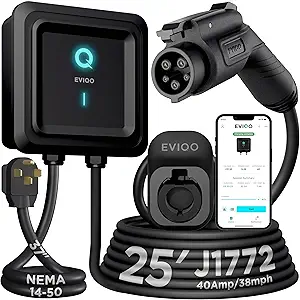
Choose Your Junsun EV Charger: Amp, Plug, and Cable Length Tips
When shopping for a portable EV charger like the Junsun Level 1&2, you need to balance charging speed with convenience. This unit supports both 110V (Level 1) and 240V (Level 2) at up to 32 amps, making it versatile for home use or on the go. The included NEMA 14-50 and 5-15 plugs mean you can plug into standard household outlets or a dedicated RV/EV outlet without an adapter.
Key Considerations Before Buying
- Check your vehicle's onboard charger capacity: Many EVs top out at 32 amps, so the Junsun's 32A output is optimal, but older or smaller EVs may charge slower, making a higher-amp charger unnecessary.
- Consider your typical charging location: If you primarily charge at home with a NEMA 14-50 outlet, the 20-foot cable is usually sufficient, but for garages with distant outlets or outdoor use, you might prefer a longer cable.
- Portability matters: This charger is compact and includes both plug types, so it's ideal for travelers or those who need to charge at multiple locations without installing a permanent station.
What Our Analysts Recommend
Quality indicators for portable EV chargers include UL or ETL certification for safety, weather-resistant housing (look for IP ratings like IP65), and a reliable cable that stays flexible in cold weather. The Junsun's 20-foot cable is a standard length, but ensure the strain relief at both ends is robust to prevent fraying.
Charging Stations Market Context
Market Overview
The portable EV charger market has exploded with the growth of electric vehicles, offering affordable alternatives to home-installed units. Many chargers now combine Level 1 and Level 2 capabilities, but buyers are often confused by plug types and amperage ratings. The Junsun targets this mid-range segment with a competitive price and dual-voltage flexibility.
Common Issues
Common complaints include chargers overheating at sustained 32A use, flimsy cable connectors that break after a few months, and inaccurate amperage display on the unit. Some users also report that the NEMA 14-50 plug is bulky and may not fit in all outdoor outlet boxes. The Junsun's strong reviews suggest these issues are minimal here.
Quality Indicators
Look for chargers with built-in temperature sensors, a clear LED display showing current and voltage, and a sturdy, weather-sealed control box. Verified purchase reviews that mention specific, consistent charging speeds are a good sign of reliability.
Review Authenticity Insights
Grade B Interpretation
The B grade and 10% estimated fake review rate mean the product has mostly authentic feedback, but you should be aware that about 9 out of 88 reviews may be unreliable. This is a moderate risk—common for lower-cost chargers where sellers sometimes incentivize reviews.
Trust Recommendation
You can generally trust the high 4.89-star rating, but focus on the detailed, verified reviews that mention specific charging times, temperature behavior, and plug fit. Ignore vague, overly promotional reviews, especially those that don't mention a specific EV model or usage scenario.
Tips for Reading Reviews
When reading reviews for this charger, prioritize those that include photos of the unit installed, mention the exact EV model (e.g., Tesla with J1772 adapter, Chevy Bolt), and describe real-world charging speeds. Be skeptical of reviews that claim 'works perfectly' without any technical detail.
Expert Perspective
The Junsun Level 1&2 EV Charger offers a solid balance of features and value for EV owners who need a portable solution. Its dual-voltage support and included plugs cover the most common home and travel scenarios, and the 32A output is sufficient for overnight charging for most EVs. The high adjusted rating of 4.60/5 suggests real-world satisfaction, though the 10% fake rate is a minor caution. For the price, it's a compelling option compared to name-brand chargers that cost twice as much.
Purchase Considerations
If you have a dedicated 50-amp circuit (NEMA 14-50) at home, this charger can deliver up to 7.7 kW, adding about 25-30 miles of range per hour. However, if you only have a standard 120V outlet, it will charge at a slower Level 1 rate (about 3-5 miles per hour). Consider your daily driving distance and charging schedule to decide if 32A is necessary.
Comparing Alternatives
Shoppers should compare the Junsun with other portable chargers like the Lectron or Mustart, which offer similar specifications but may have different plug configurations or cable lengths. Also, consider whether a hardwired home station might be more convenient if you don't need portability.